 RapBattleCast
Researched • Scripture-Backed • Respiratory Focused
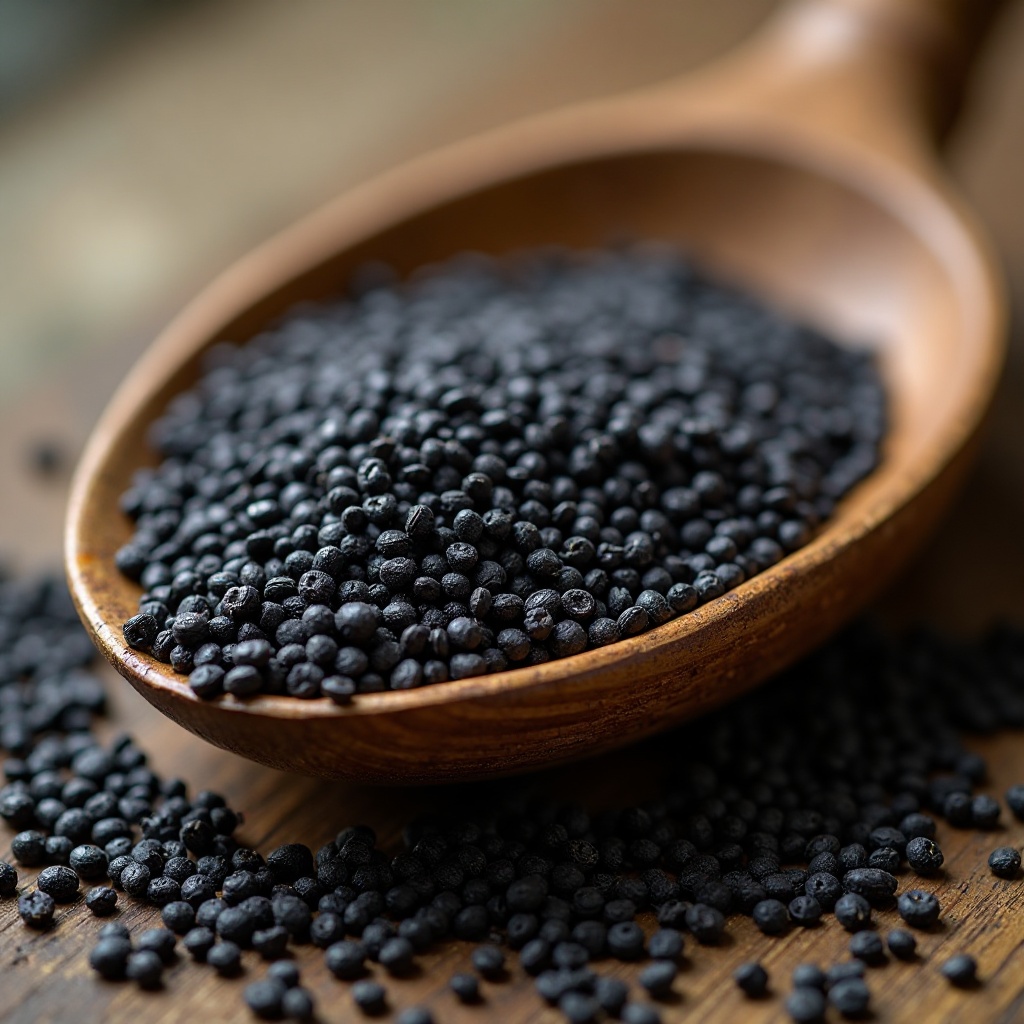
"The Seed of Blessing" — Known in Arabic as Habbatul Barakah. A legendary remedy praised by prophets and pharaohs alike. Contains Thymoquinone, a powerful compound that opens the airways and balances the immune system.
Black Seed holds a unique status in history. Prophet Muhammad (peace be upon him) famously stated: "Use this Black Seed, for in it is a cure for every disease except death" (Sahih Bukhari 7:71:592). It was found in the tomb of Tutankhamun to assist him in the afterlife, and Cleopatra reportedly used it for beauty and vitality. In the Bible, it is referred to as "black cumin" (Isaiah 28:25-27), highlighting its agricultural and medicinal importance.
Modern science confirms ancient wisdom. The active compound, Thymoquinone, is a potent bronchodilator and anti-inflammatory. It relaxes the tracheal muscles, making it a top-tier remedy for asthma, chronic bronchitis, and allergies. Unlike conventional antihistamines that can cause drowsiness, Black Seed modulates the immune system—boosting it when weak and calming it when overactive (such as in autoimmune conditions or allergies).
Generally very safe. However, large medicinal doses may lower blood sugar and blood pressure; diabetics and those on hypotension meds should monitor closely. Pregnancy: Safe in culinary amounts, but avoid high medicinal doses as it may stimulate uterine contractions.
Sources: Sahih Bukhari • PubMed (Thymoquinone asthma trails) • Avicenna's Canon of Medicine • Journal of Ethnopharmacology.
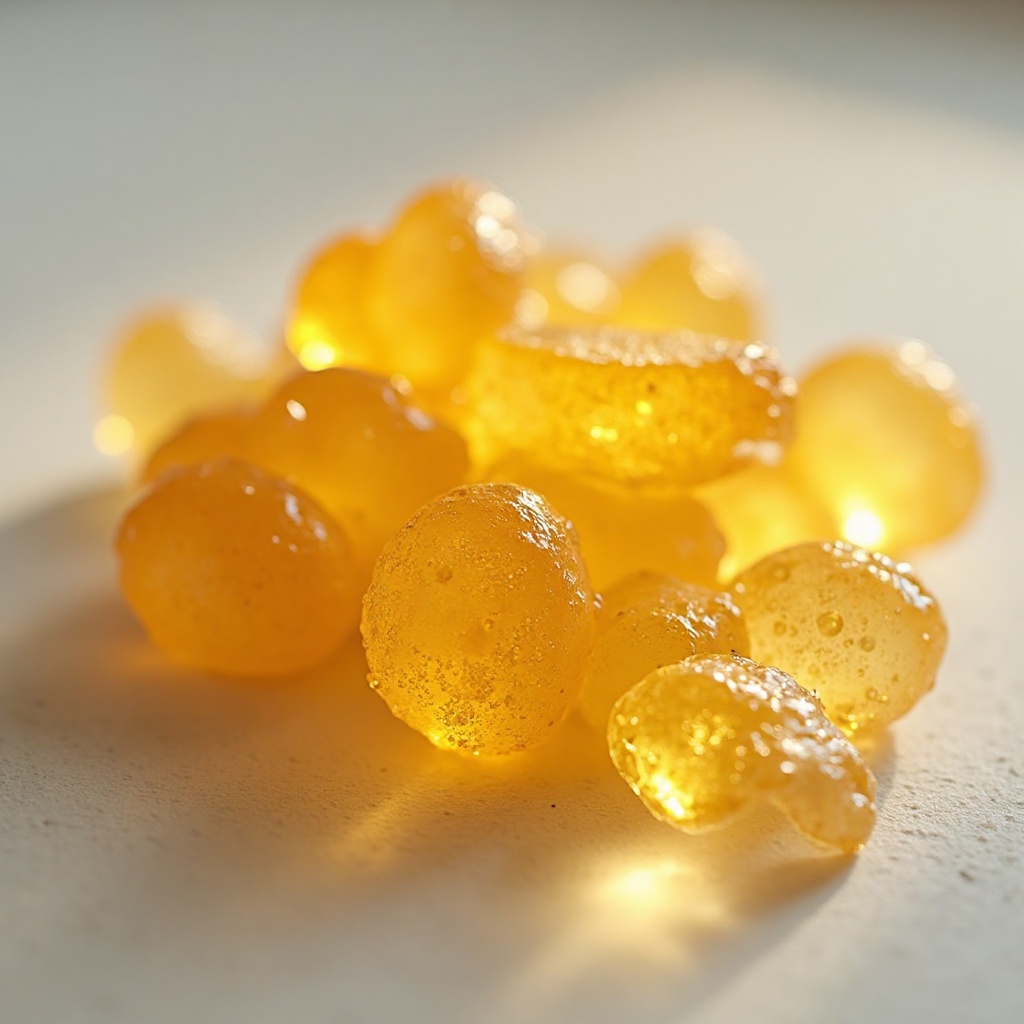
"The Liquid Pearl" — One of the three gifts of the Magi. Renowned for its ability to deepen the breath and calm the spirit. Contains boswellic acids which powerfully inhibit inflammation pathways in the lungs.
Frankincense was a key ingredient in the holy incense of the Tabernacle (Exodus 30:34-35). It has been used for millennia in Ayurveda (*Shallaki*) and TCM to move stagnant blood and "invigorate the blood." It is said to have been given to the Christ child to symbolize his priestly role.
Boswellic acids are unique because they inhibit **5-LOX** (5-lipoxygenase), an enzyme responsible for producing leukotrienes—molecules that cause constriction in asthma and COPD. By blocking this, it reduces edema and bronchial restriction. It is also a premier nervine, slowing the breath and calming the mind for meditation and prayer.
Generally safe. Rare gastrointestinal upset. In large doses, it may act as a blood thinner, so pause use 2 weeks before surgery.
Sources: Bible (Exodus, Matthew) • *Journal of Ethnopharmacology* (Asthma studies) • *European Journal of Medical Research*.
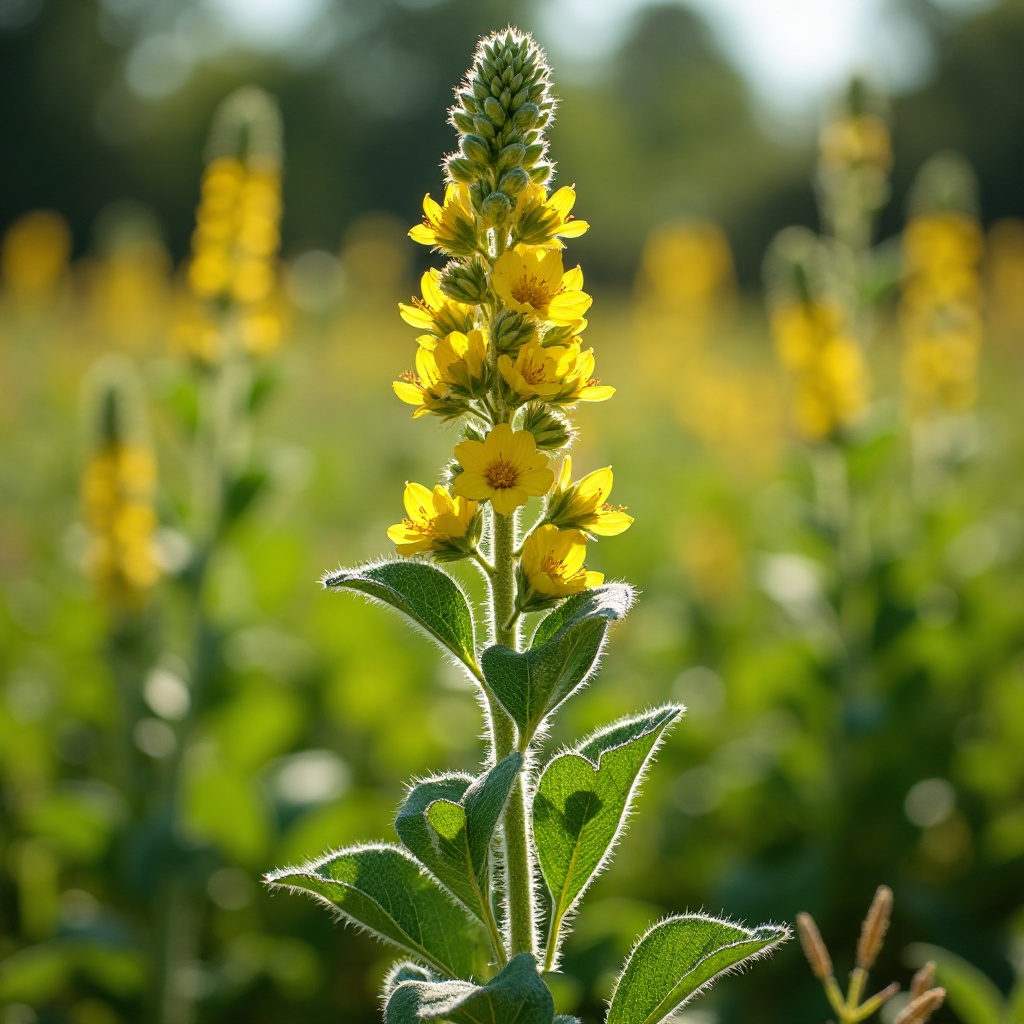
"The Lung Torch" — A velvety giant that grows straight to the sky. The classic remedy for all things respiratory. Its leaves act as a gentle expectorant, while its demulcent properties soothe raw, inflamed tissues.
Historically used as torches by Greeks and Romans (dipped in tallow). Native Americans smoked the leaves to treat asthma and spasmodic coughs. Dioscorides recommended it for diseases of the lung 2,000 years ago.
Mullein is supreme for **dry, racking coughs**. It contains saponins that help loosen sticky mucus in the chest, making it easier to expel (expectorant), while its mucilage coats the throat (demulcent). It effectively hydrates the lungs and relaxes the bronchioles.
Very safe. The only main caution is the fine hairs on the leaves—always filter your tea well. Seeds are toxic (contain rotenone) and should never be used.
Sources: *Materia Medica* by Dioscorides • Mrs. Grieve’s *A Modern Herbal*.
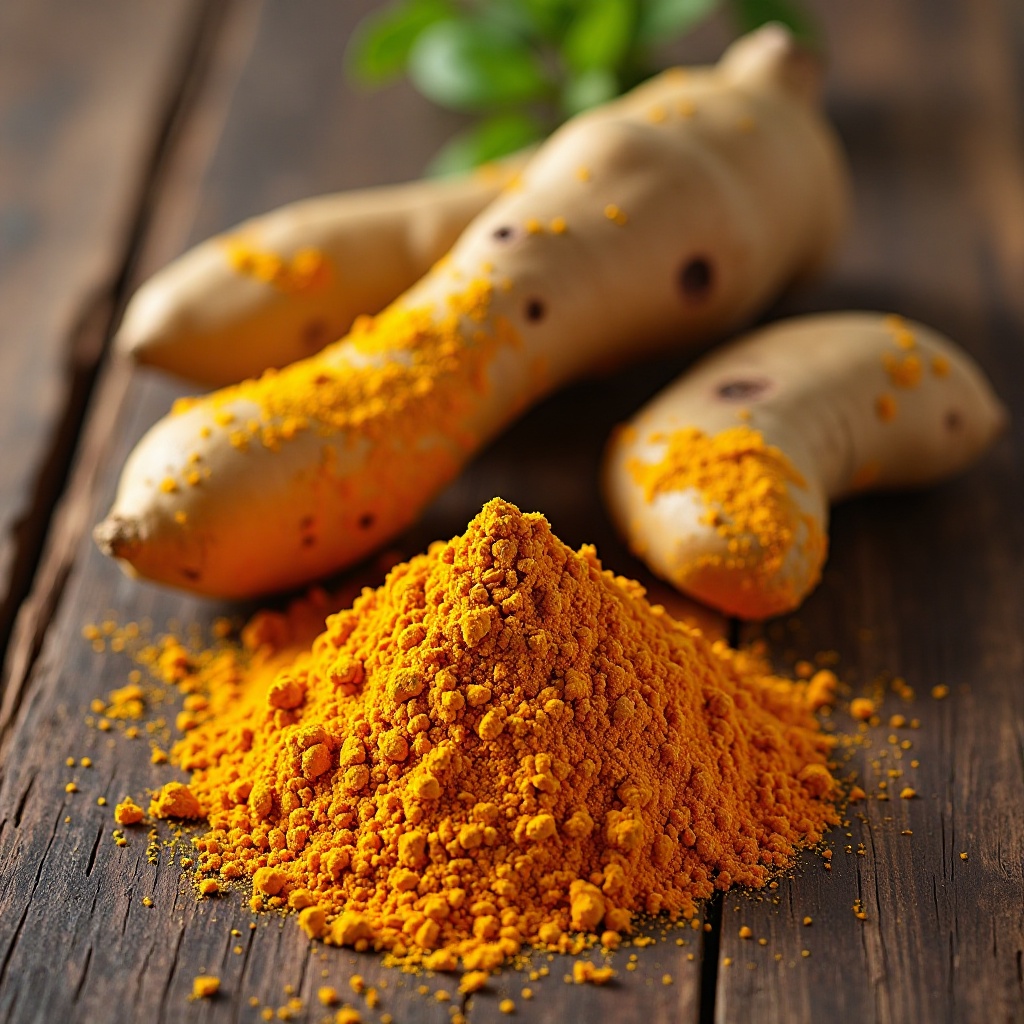
"The Golden Spice" — Known in India as *Haridra*. It is the most researched anti-inflammatory herb in the world. Its active compound, **curcumin**, is a shield for the lungs against fibrosis and chronic damage.
Often linked to the "leaves for medicine" in Ezekiel 47:12. In Ayurveda, it is a warming spice used to clear Kapha (mucus/congestion). Traditionally applied as a paste to the chest for colds.
Curcumin modulates nuclear factor-kappa B (NF-κB), a master switch for inflammation. This makes it incredible for **COPD** and lung fibrosis prevention. It protects lung tissue from oxidative stress (pollution, smoke) and reduces airway inflammation in allergic asthma.
Blood thinner—stop before surgery. High doses over long periods can cause stomach upset or increase risk of kidney stones (oxalates) in susceptible individuals. Gallbladder obstruction: avoid large doses.
Sources: *The Lancet* (Meta-analysis) • Ezekiel 47:12 • *Journal of Clinical Immunology*.
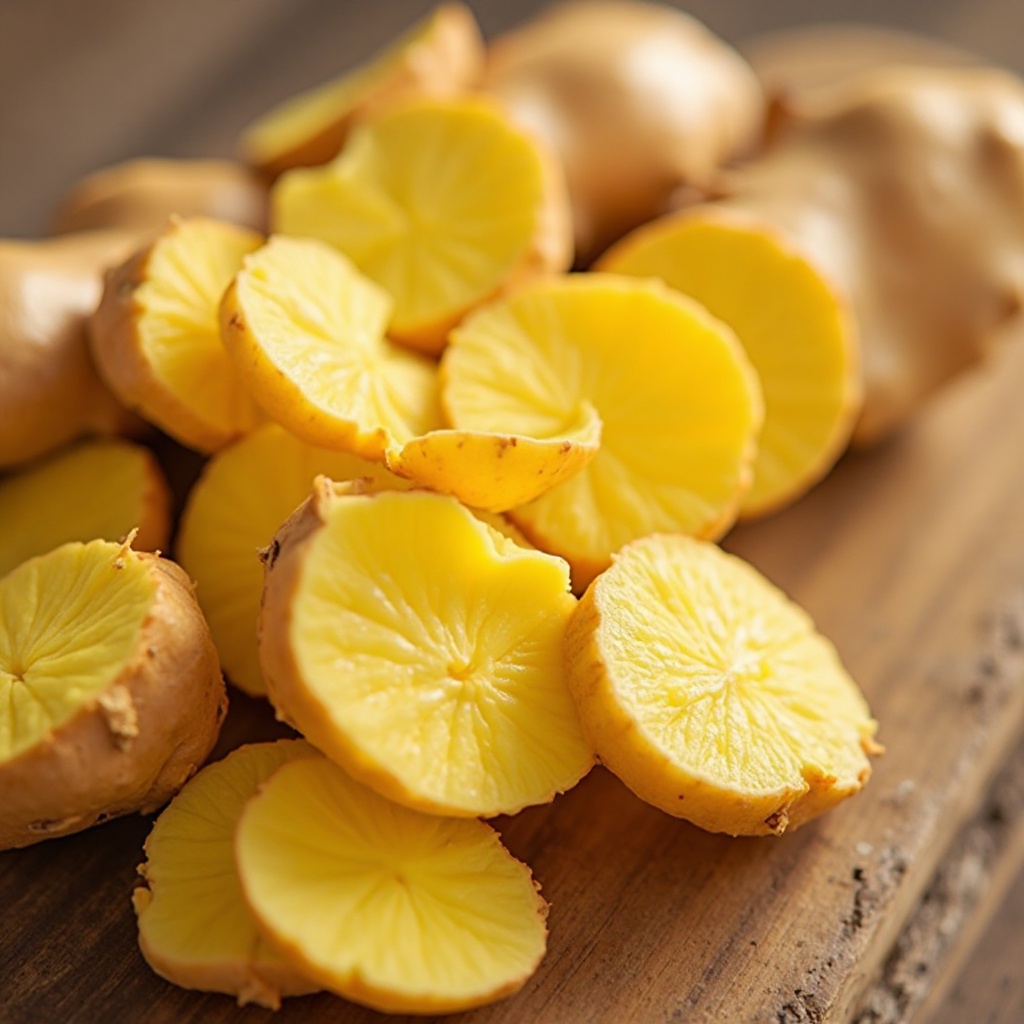
"The Universal Medicine" — Or *Vishwabheshaj* in Sanskrit. A heating, stimulating root that breaks up congestion, warms the lungs, and drives blood flow to the extremities.
Mentioned in the Qur'an (76:17) as a drink of paradise ("In it will be passed to them a cup whose mixture is ginger"). Confucious never ate a meal without ginger. It is the cornerstone of digestive and respiratory health in almost every traditional system.
Gingerols and shogaols induce **bronchodilation** by modulating calcium signaling in airway smooth muscle. It is a "circulatory stimulant," meaning it pushes blood to the lungs to carry away toxins and bring immune cells to fight infection. Excellent for "cold" conditions—shivering, pale mucus, and chills.
Generally safe. Can cause heartburn in high doses. Caution with blood thinners due to anti-platelet activity.
Sources: Qur'an 76:17 • *American Journal of Respiratory Cell and Molecular Biology* • *Charaka Samhita*.
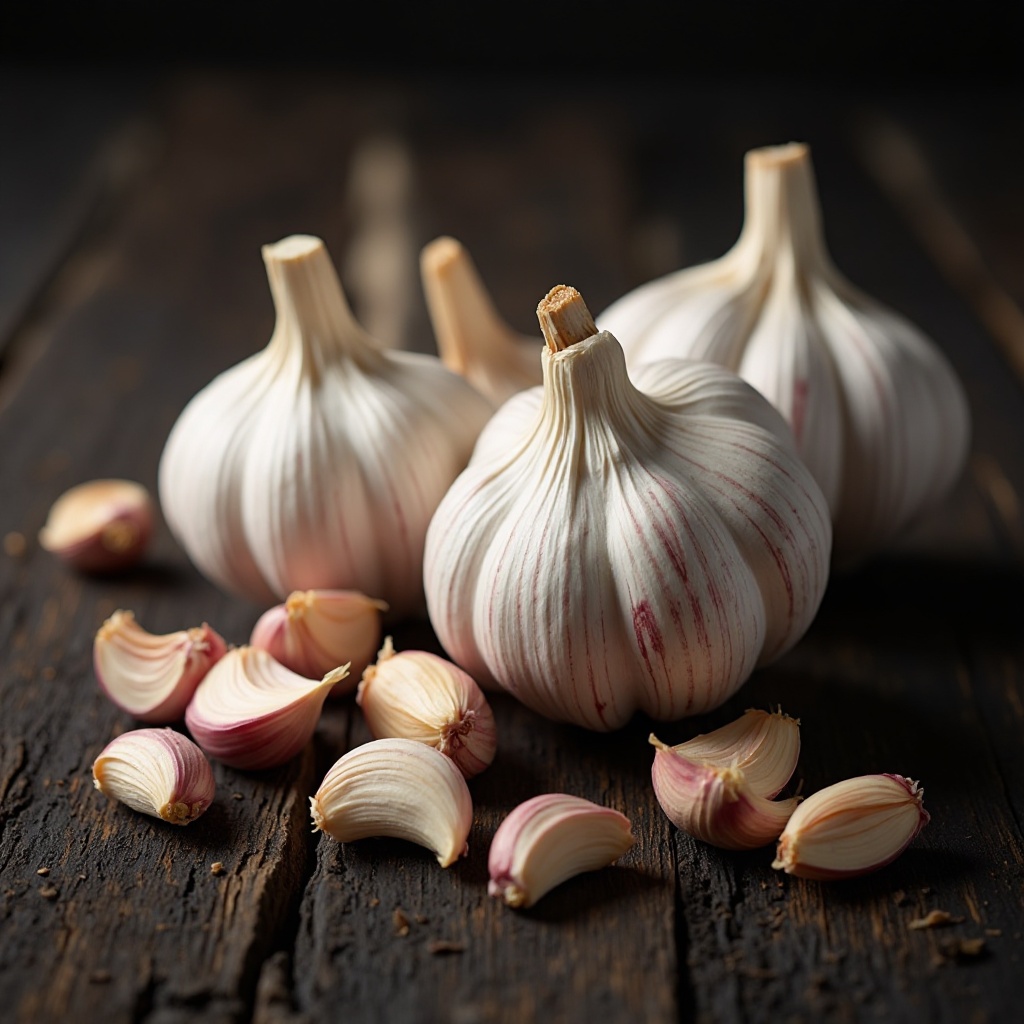
"The Poor Man's Treacle" — Nature's most potent antibiotic. Famous for its foul smell but miraculous ability to destroy respiratory pathogens, thin the blood, and eject mucus.
The Israelites longed for the garlic of Egypt during the Exodus (Numbers 11:5). Roman soldiers ate it for courage. Hippocrates prescribed it for pulmonary complaints. During WWII, it was used as "Russian Penicillin" when drugs ran out.
When crushed, garlic releases **Allicin**, a volatile compound that is excreted *through the lungs* (hence garlic breath). This means it physically bathes the lung tissue in antimicrobial vapor, killing bacteria and viruses on contact. It acts as a surfactant, thinning thick mucus.
Potent blood thinner (caution with Warfarin). Can irritate the stomach lining. Avoid large amounts before surgery.
Sources: Numbers 11:5 • *Journal of Nutrition* (Immune function) • Pasteur Institute.
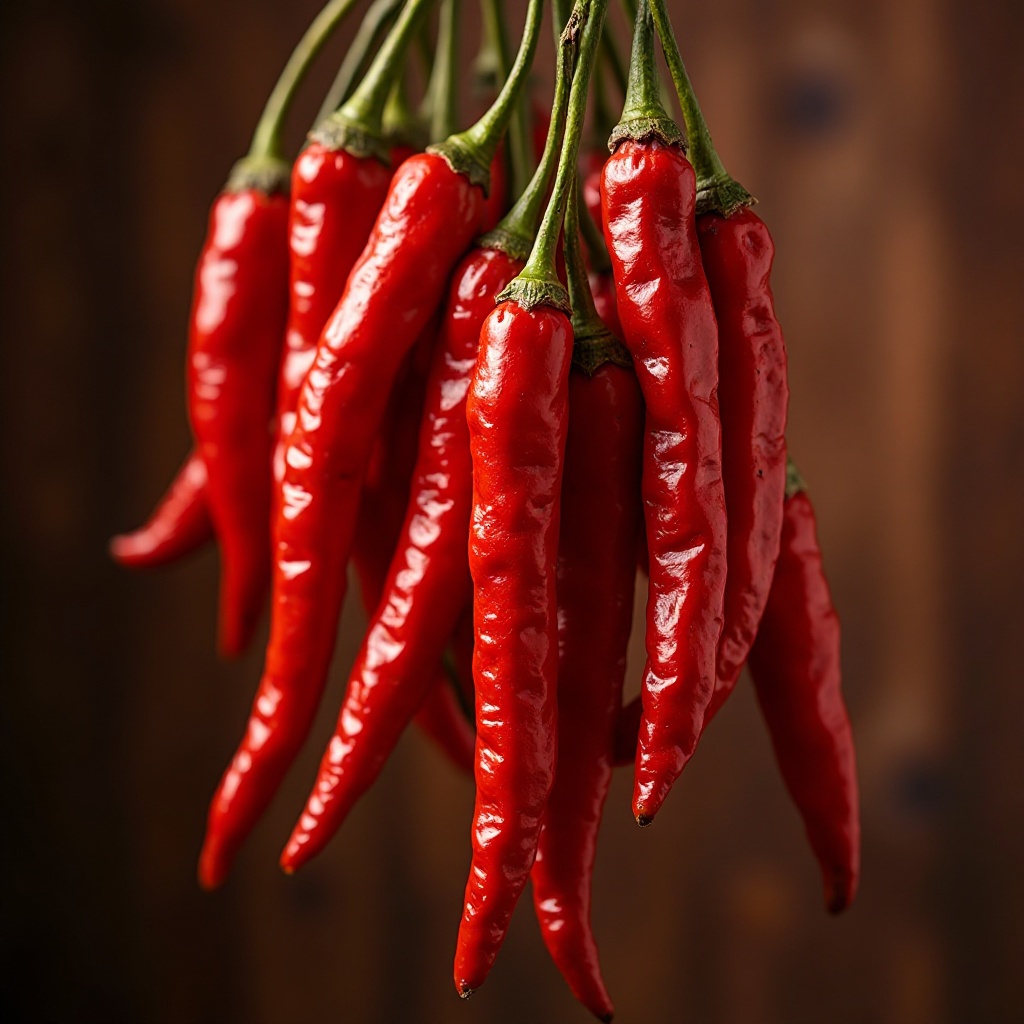
"The Catalyst" — A fiery stimulant that drives other herbs deeper into the tissues. It clears sinuses instantly and equalizes blood pressure.
Used by Native South Americans for thousands of years. Famous herbalist Dr. John Christopher famously said, "In 35 years of practice... I have never lost one heart attack patient" due to his use of Cayenne tea to revive the system.
Capsaicin thins mucus significantly, making it runnable and easy to expel. It stimulates the "cilia" (hairs) in the lungs to sweep out debris. By increasing body temperature (diaphoretic), it helps burn out viruses.
Irritating to sensitive stomachs (start low). Wash hands thoroughly after handling (do not touch eyes!). High doses can be temporarily painful but are generally not damaging to tissue.
Sources: *New England Journal of Medicine* • Dr. John Christopher (School of Natural Healing).
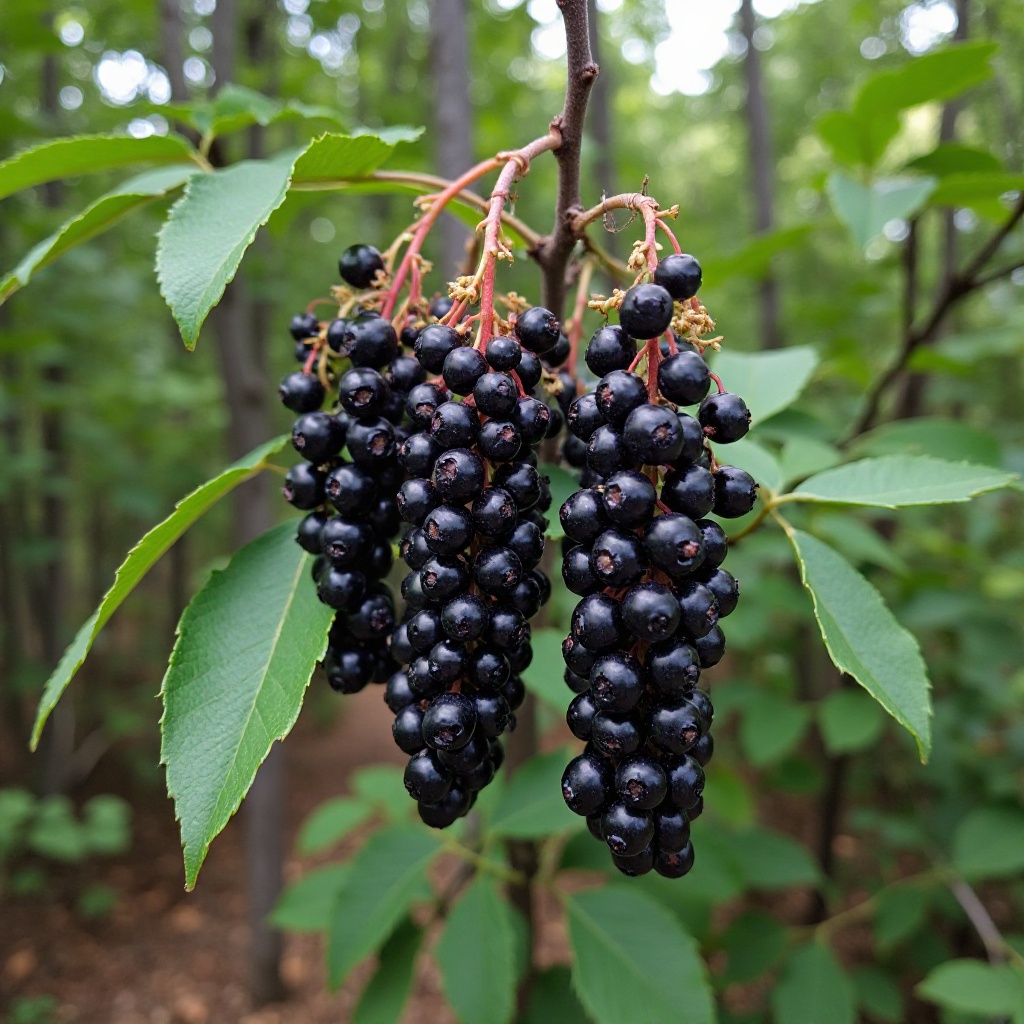
"The Medicine Chest" — Hippocrates called the Elder tree his "medicine chest" because every part of the tree was used. Today, it is the premier antiviral for stopping the flu in its tracks.
In European folklore, the Elder tree was inhabited by the "Elder Mother," a spirit of protection. It was planted near homes to ward off evil and disease. Native Americans used the berries for food and medicine for centuries.
Elderberries contain hemagglutinin protein which stops a virus's capability to replicate and penetrate the walls of cells. It is clinically proven to shorten duration of flu symptoms by 3-4 days. It is also a diaphoretic (induces sweating) to help break fevers.
IMPORTANT: Never eat raw elderberries (they contain cyanide-inducing glycosides). Always cook them. Stems and leaves are toxic. Safe for children when prepared correctly.
Sources: *Journal of International Medical Research* • *BMC Complementary Medicine* • Hippocrates.
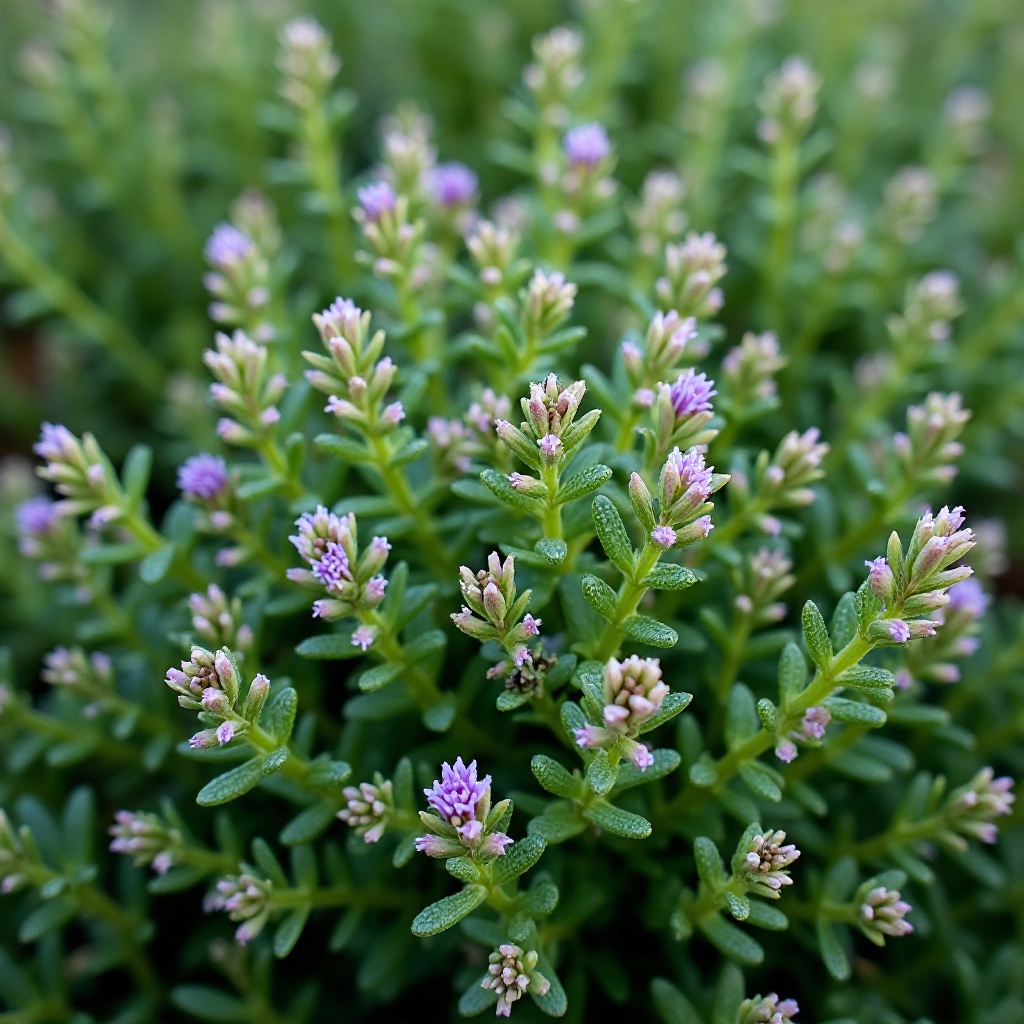
"The Bacterial Destroyer" — A humble kitchen herb that packs a pharmaceutical punch. Its essential oils are so potent they were used to sterilize operating rooms before modern antibiotics.
Ancient Egyptians used Thyme for embalming due to its preservative power. Greek soldiers bathed in thyme water for courage (*thymos* means courage/spirit). It is a key antimicrobial in traditional herbalism.
The active compound **Thymol** is a potent antiseptic that is excreted through the lungs, killing bacteria deep in the bronchial tubes. It is excellent for **whooping cough**, bronchitis, and deep-seated infections. It is also an antispasmodic, helping to stop coughing fits.
Generally safe in culinary amounts. Medicinal doses of essential oil can be toxic to the liver if not diluted. Safe for children as a weak tea.
Sources: *Ebers Papyrus* • German Commission E (Approved for Bronchitis) • *Letters in Applied Microbiology*.
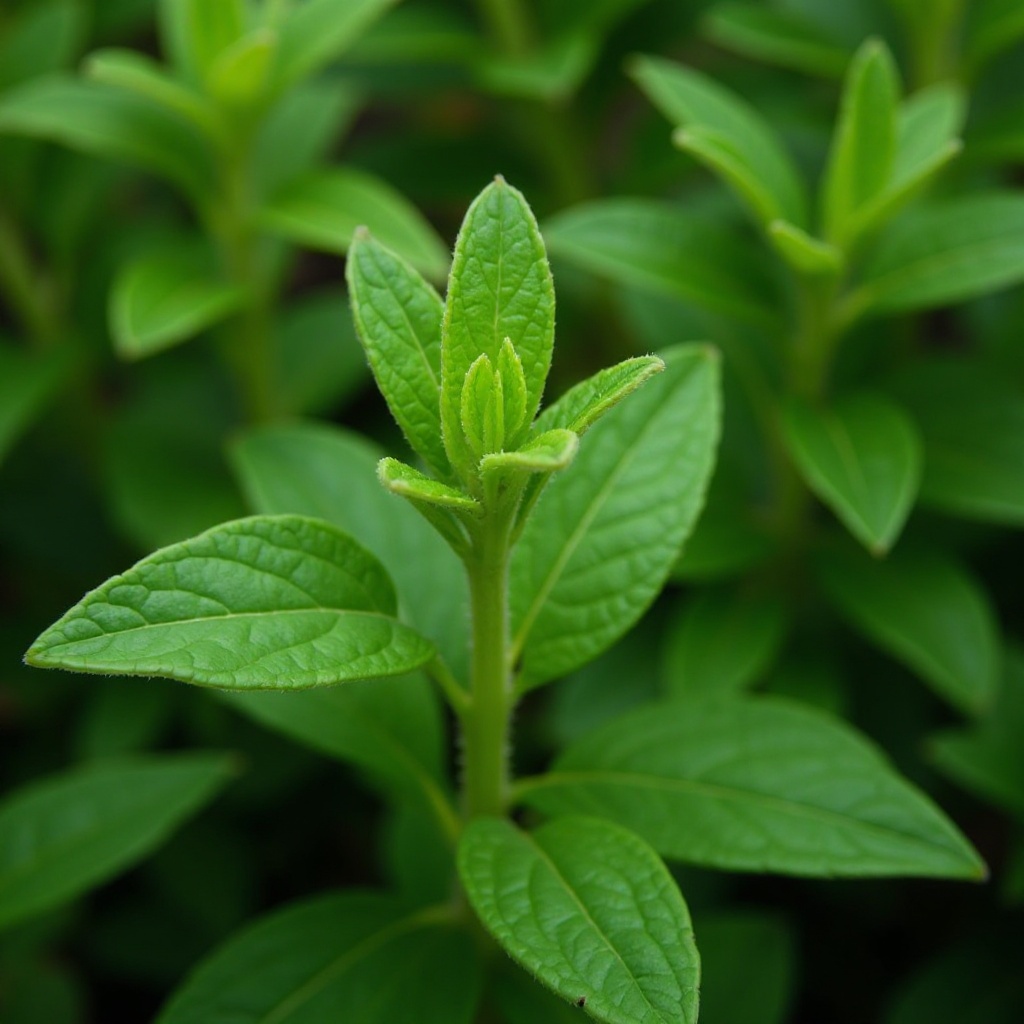
"Joy of the Mountain" — The heavy artillery of the herbal world. When other herbs fail, Oregano Oil is often brought in to nuke difficult viral and bacterial infections.
Used by Hippocrates for respiratory and digestive ailments. In Biblical times, "Hyssop" (often believed to be a species of Origanum) was used for ritual cleansing: "Purge me with hyssop, and I shall be clean" (Psalm 51:7).
**Carvacrol** and **Thymol** in oregano oil break down the cell membranes of bacteria and strip the protective coating off viruses. It effectively clears pneumonia-causing bacteria and candida (yeast) in the lungs.
HOT HERB: Can burn mucous membranes. Do not use for more than 2 weeks consecutively (disrupts gut flora). Avoid during pregnancy (emmenagogue).
Sources: Psalm 51:7 (Hyssop connection) • *Journal of Applied Microbiology* • *Phytotherapy Research*.
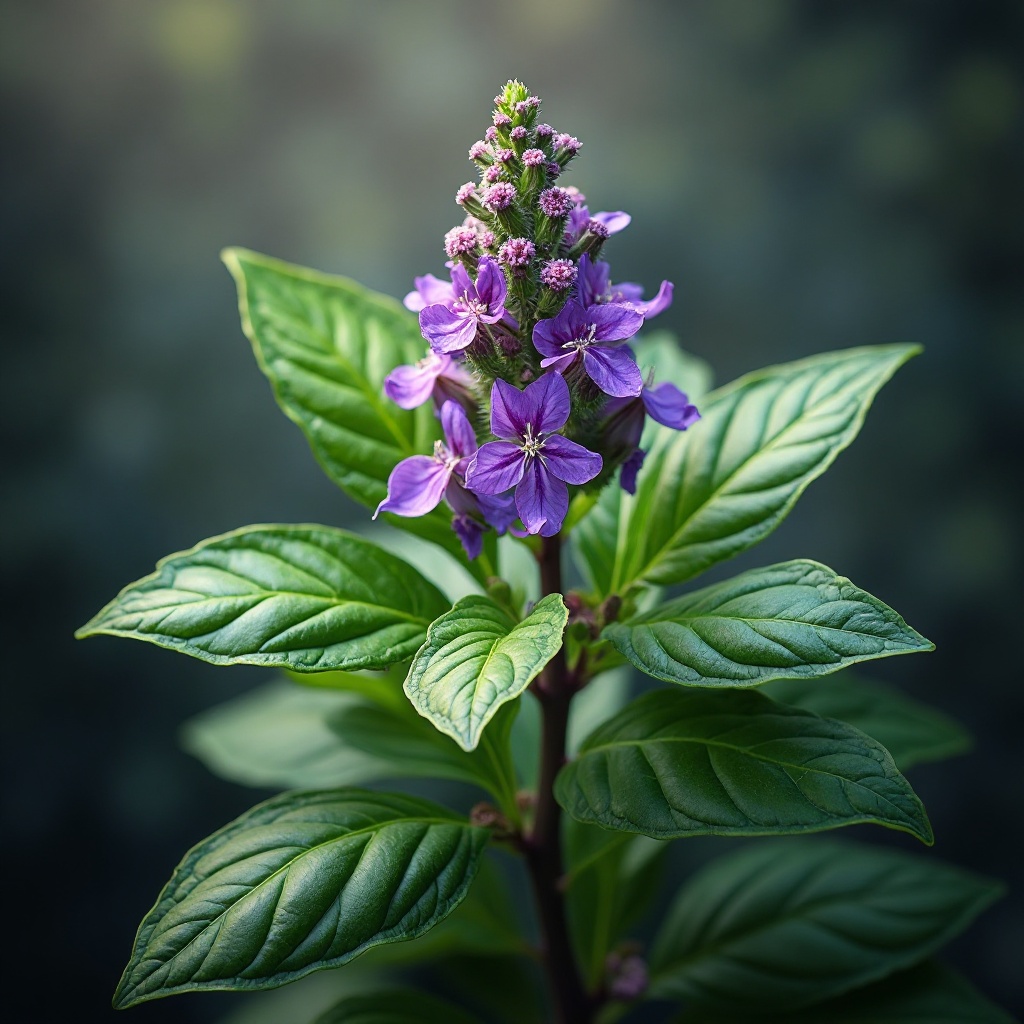
"The Queen of Herbs" — Known as *Tulsi* in India. It is worshipped as a goddess and is arguably the premier adaptogen for respiratory stress and "air hunger."
In the *Charaka Samhita*, it is described as the "elixir of life." Every traditional Hindu home has a Tulsi plant in the courtyard to purify the air. It opens the heart and lungs to *Prana* (life force).
Tulsi is unique because it treats the **stress component** of breathing. For asthma triggered by anxiety or "air hunger," Tulsi lowers cortisol while simultaneously opening the airways. It is immunomodulatory and expectorant.
Very safe. Slight blood-thinning effect (caution with surgery). May lower blood sugar (beneficial for diabetics, but monitor).
Sources: *Charaka Samhita* • *Journal of Ayurveda and Integrative Medicine* • *Phytomedicine*.
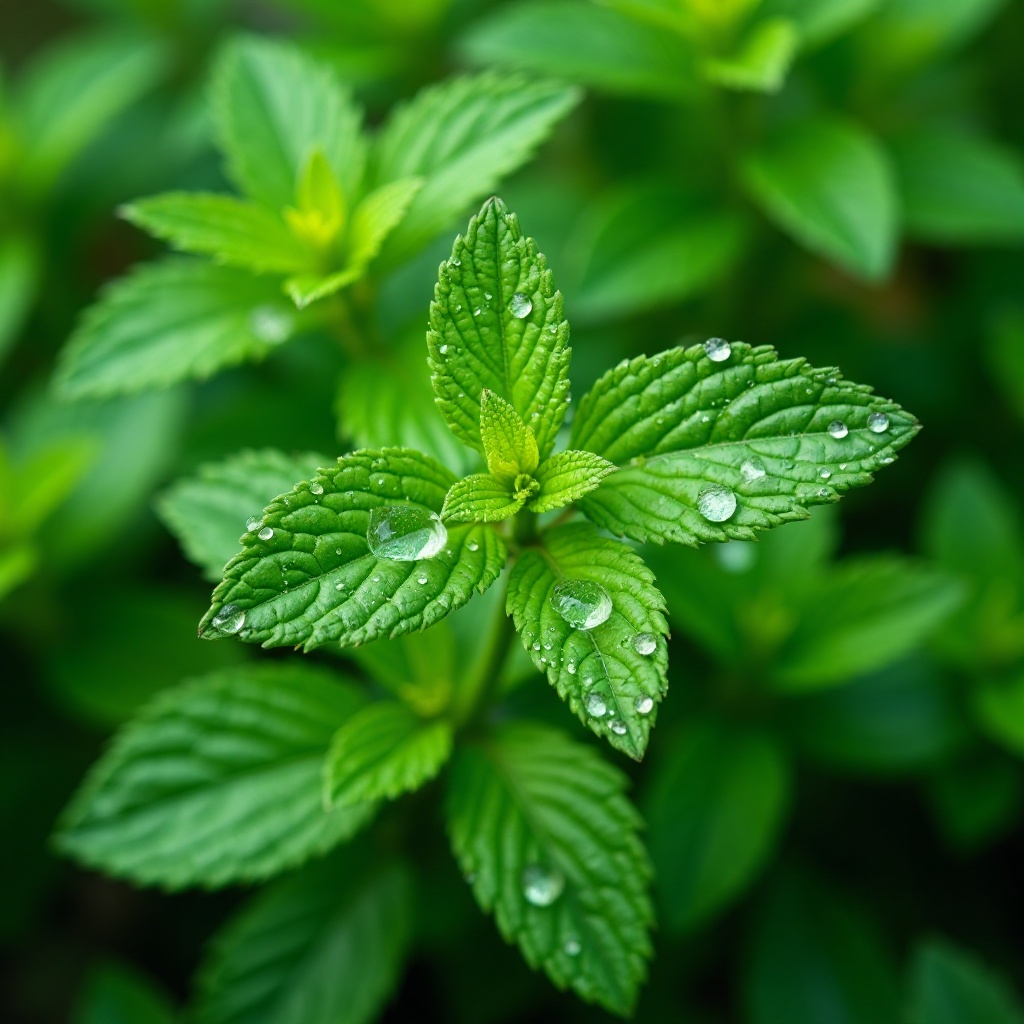
"The Cooling Opener" — The world's most familiar flavor is actually a potent drug. The high menthol content freezes pain and snaps open bronchial passages instantly.
Found in Egyptian pyramids dating to 1000 BC. The Pharisees paid tithes in Mint (Luke 11:42), showing its economic value. Pliny the Elder stated, "The smell of mint stirs up the mind and appetite."
**Menthol** is an antispasmodic for the smooth muscles of the lungs. It relaxes the "cough reflex," making it useful for dry, tickly coughs. It also clears the nasal turbinates, providing a sensation of increased airflow.
Avoid in GERD (Acid Reflux) as it relaxes the esophageal sphincter. Do not apply oil near the nose of infants (can cause spasm).
Sources: Luke 11:42 • *American Family Physician* • *Phytotherapy Research*.
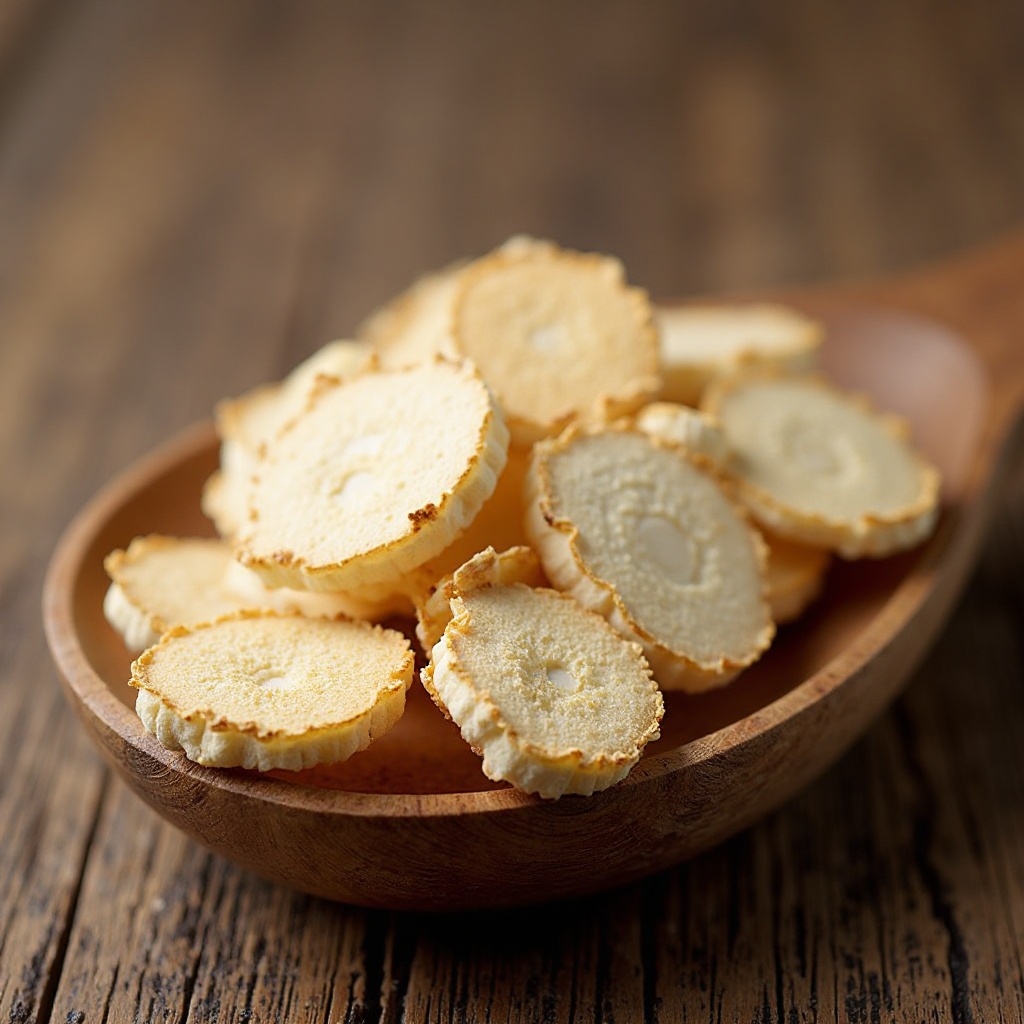
"The Soother" — Its botanical name *Althaea* comes from the Greek "to heal." It is pure mucilage—a slimy, soothing substance that coats dry, irritated tissues like a cool balm.
Mentioned in Job 6:6 ("Is there any taste in the white of an egg/marshmallow?"). Originally used to make the confection (utilizing the sticky root sap), it has been a primary remedy for sore throats since antiquity.
By a reflex action, swallowing the mucilage soothes the vagus nerve, which in turn reduces the urge to cough. It is specific for **hot, dry conditions**—dry cough, sore throat, and laryngitis. It hydrates the lungs from the inside out.
Can delay the absorption of other medications (because it coats the stomach). Take away from prescription drugs.
Sources: Job 6:6 • *International Journal of Pharmaceutics* • German Commission E.
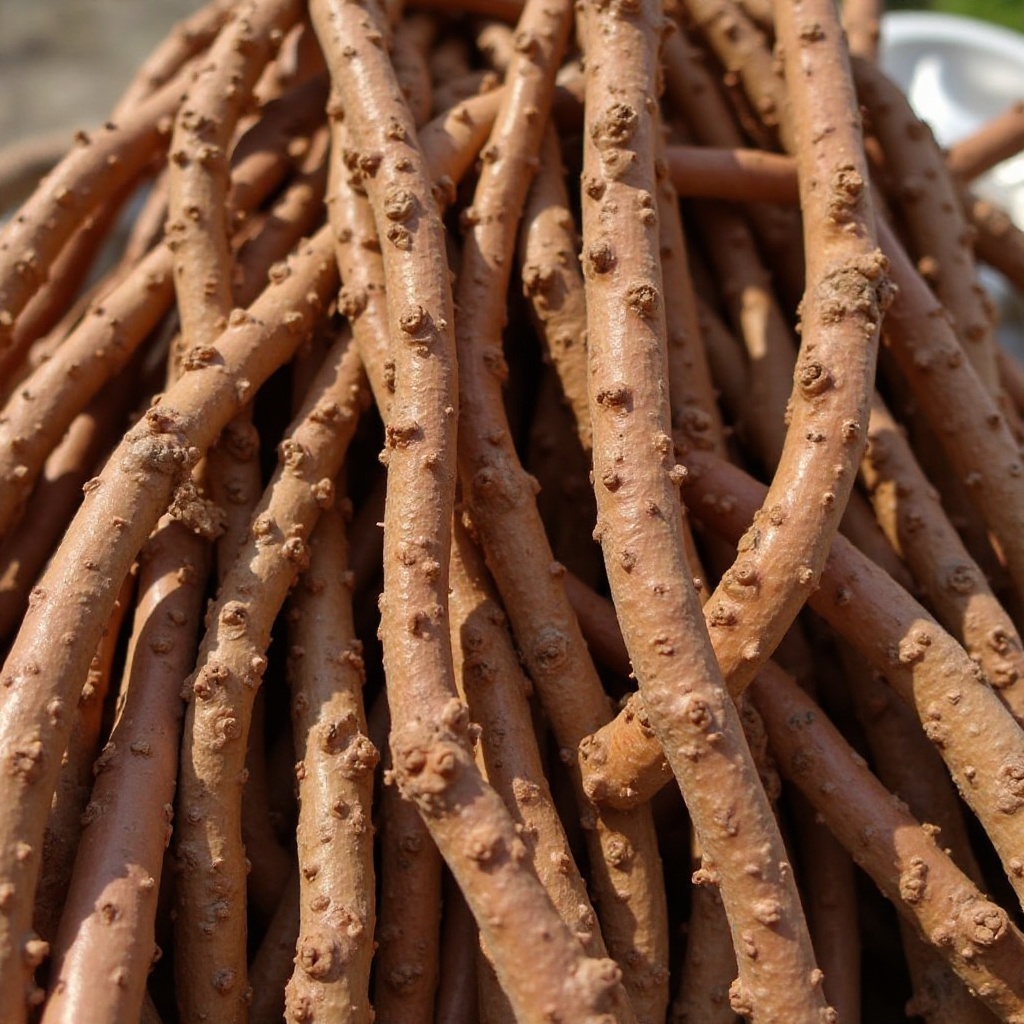
"The Great Harmonizer" — Called *Gan Cao* in TCM, it is found in more formulas than any other herb. It sweetens the breath, moistens the lungs, and restores adrenal function.
Found in vast quantities in King Tut's tomb. The Scythian armies used it to survive marches without water (it helps retain fluid). In TCM, it "harmonizes" all other herbs, making them work together without conflict.
Glycyrrhizin has a structure similar to cortisol. It acts as an anti-inflammatory and expectorant. It is incredibly soothing for a raw throat and helps the body handle stress. It also inhibits viral replication (SARS-CoV studies).
WARNING: Long-term use of whole licorice can raise blood pressure and deplete potassium. Avoid if you have hypertension or heart conditions (use DGL instead). Do not use for >6 weeks.
Sources: *Shen Nong Ben Cao Jing* • *The Lancet* (SARS research) • WHO Monographs.
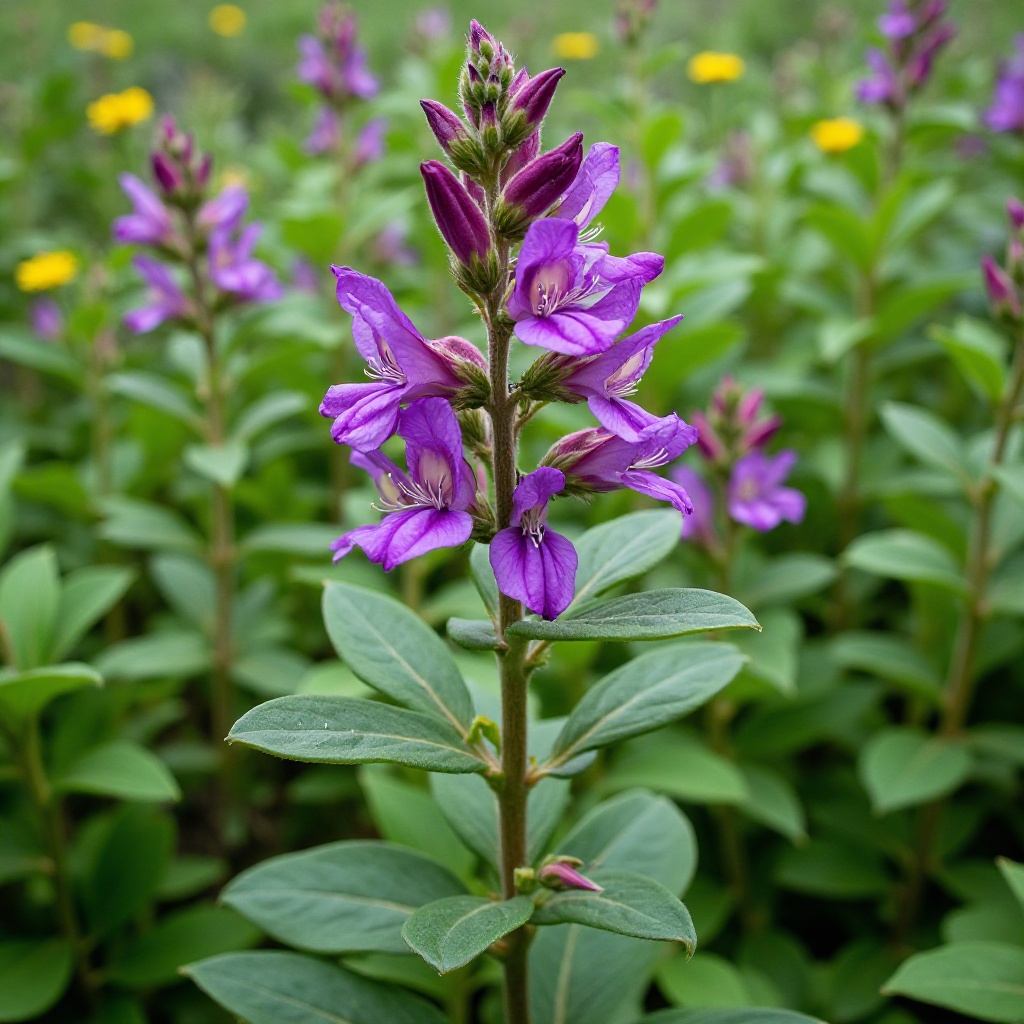
"The Intelligence of the Wild" — Often called "Puke Weed" or "Asthma Weed." It is the most powerful relaxant in the Western herbal materia medica. It knows exactly where to go in the body to break tension.
Popularized by Samuel Thomson in the 19th century, who based his entire system of medicine on it. He called it the "emetic herb" that would cleanse the stomach and restore internal heat. Native Americans smoked it for asthma for centuries.
Lobeline is a respiratory stimulant *and* relaxant. It latches onto nicotine receptors (helpful for quitting smoking) and instantly relaxes the smooth muscles of the bronchial tubes. It acts as a "thinking herb"—if you have too much mucus, it makes you vomit; if you are tight, it relaxes you.
POTENT HERB: Do not overdose. High doses cause nausea and vomiting (hence the name Puke Weed). Not for long-term daily use. Contraindicated in weak heart conditions.
Sources: *Samuel Thomson's New Guide to Health* • *Journal of Restorative Medicine*.
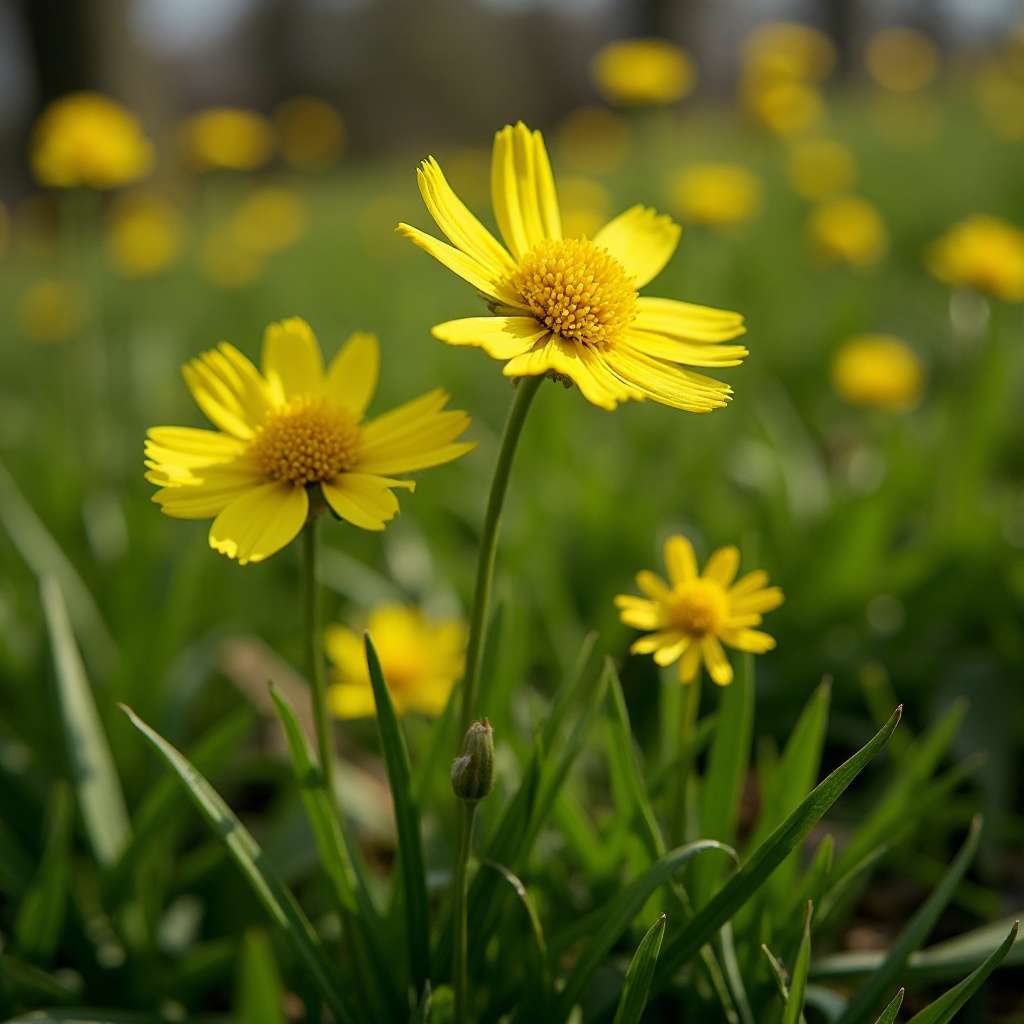
"Son Before Father" — Because the flowers appear before the leaves. Its Latin name *Tussilago* means "Cough Dispeller." It has been the primary cough remedy in Europe for 2,500 years.
Pliny recommended burning the dried leaves and inhaling the smoke through a reed for coughs. Culpeper associated it with Venus, soothing the "hot and dry" conditions of the lungs.
Specific for spasmodic, dry, irritating coughs. It contains soothing mucilage and antispasmodic compounds. It paralyzes the cilia momentarily to stop the "tickle" and allows the lung tissue to heal. Good for whooping cough and emphysema.
CAUTION: Contains Pyrrolizidine Alkaloids (PAs) which can damage the liver in high doses. Use only short-term (2-4 weeks max). Avoid if you have liver disease. Many commercial sources sell "PA-free" coltsfoot.
Sources: *Pliny the Elder* • *German Commission E* (Approved for coughs).
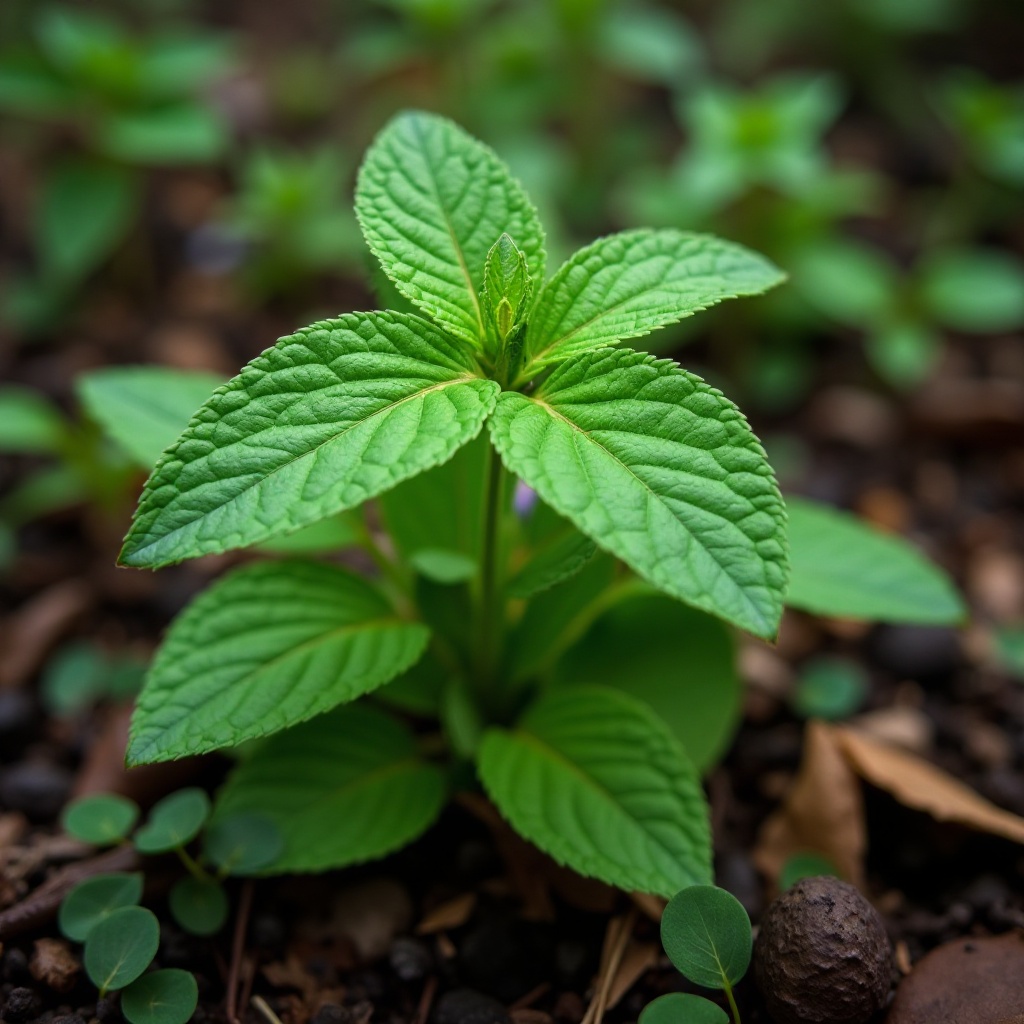
"The Green Bandage" — The weed that grows in every crack in the sidewalk. It is nature's drawing salve, pulling out toxins, stingers, and infection from both skin and lungs.
Called "White Man's Footprint" by Native Americans because it thrived wherever settlers went. Shakespeare mentioned it in *Romeo and Juliet* and *Love’s Labour’s Lost* as a healer of broken shins and wounds.
It is a "vulnerary" for the lungs—meaning it heals wounds. Use it for **leaky gut** and **leaky lung** conditions. It soothes inflamed mucous membranes and has a gentle antimicrobial effect. Great for children's coughs.
Extremely safe. One of the safest herbs on the planet. Can be eaten as a salad green (young leaves).
Sources: *King’s American Dispensatory* • *Journal of Ethnopharmacology*.

"The Lion's Tooth" — A master detoxifier. While famous for the liver, in TCM the liver "insults" the lungs. By clearing the liver, Dandelion prevents heat and toxins from rising to the chest.
One of the "bitter herbs" of Passover (Exodus 12:8) eaten to simulate the bitterness of slavery and cleanse the system. Avicenna used it to clear obstructions in the liver and spleen.
It is a diuretic (leaf) and hepatic (root). By improving liver function, it reduces systemic inflammation which benefits asthma sufferers. It is often used in "lung cleansing" protocols to open the elimination pathways so the lungs don't have to do all the work.
Generally safe. Avoid if you have blockage of the bile ducts or gallstones (stimulates bile flow). Diuretic effect can increase urination.
Sources: Exodus 12:8 • *The Lancet* (Diuretic study) • *European Medicines Agency*.
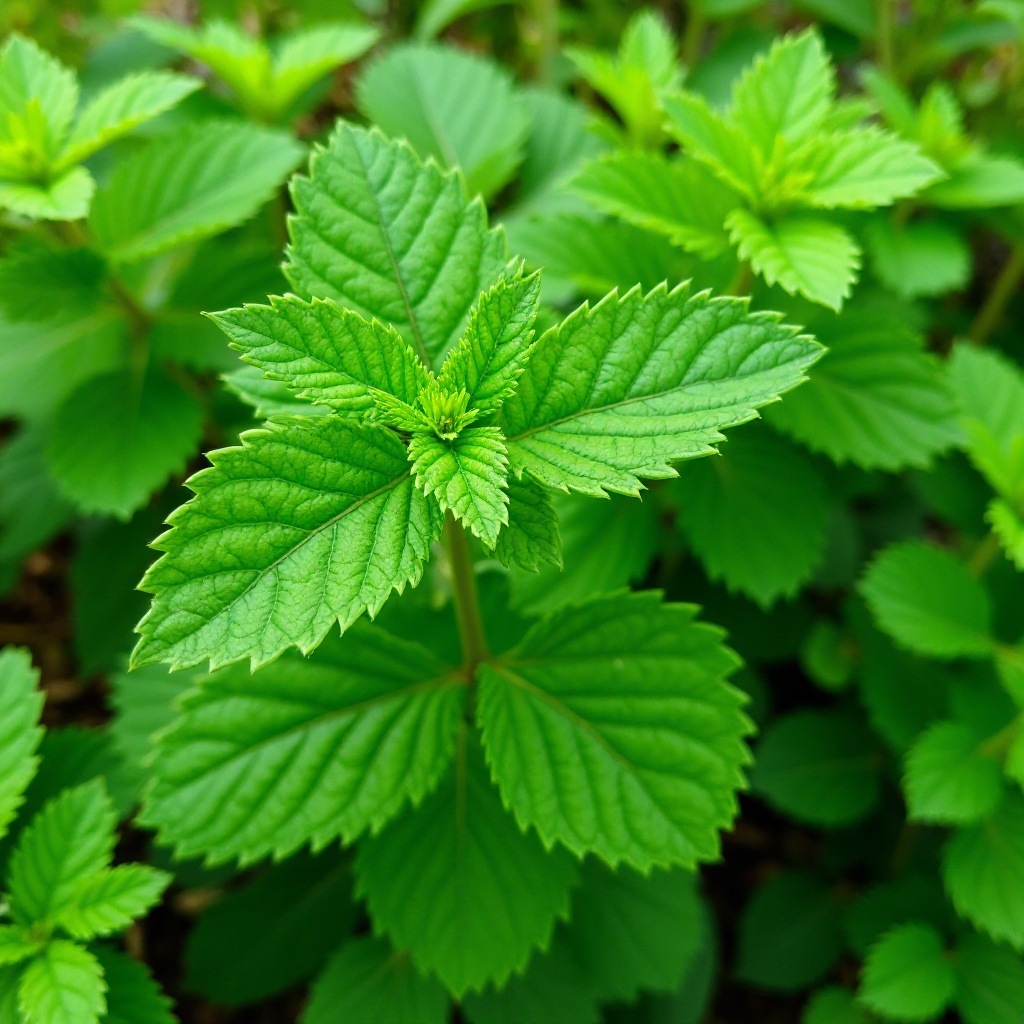
"The Iron Plant" — A mineral-rich powerhouse. It stings you to say hello, but once dried/cooked, it is the premier remedy for allergies and "building the blood."
Roman soldiers brought nettle seeds to Britain to rub on their bodies to keep warm ("urtication"). Milarepa, the Tibetan saint, lived on nothing but nettle soup for years, turning his skin green but giving him immense energy.
Nettle is Nature's **Antihistamine**. It contains quercetin and other compounds that stabilize mast cells, preventing them from releasing histamine. This stops the sneezing, itching, and congestion of hay fever immediately.
Wear gloves when harvesting fresh! The "sting" is formic acid. Once dried or cooked, the sting is gone. Diuretic effect. Caution with kidney dialysis.
Sources: *Phytotherapy Research* • *Journal of Herbal Medicine*.
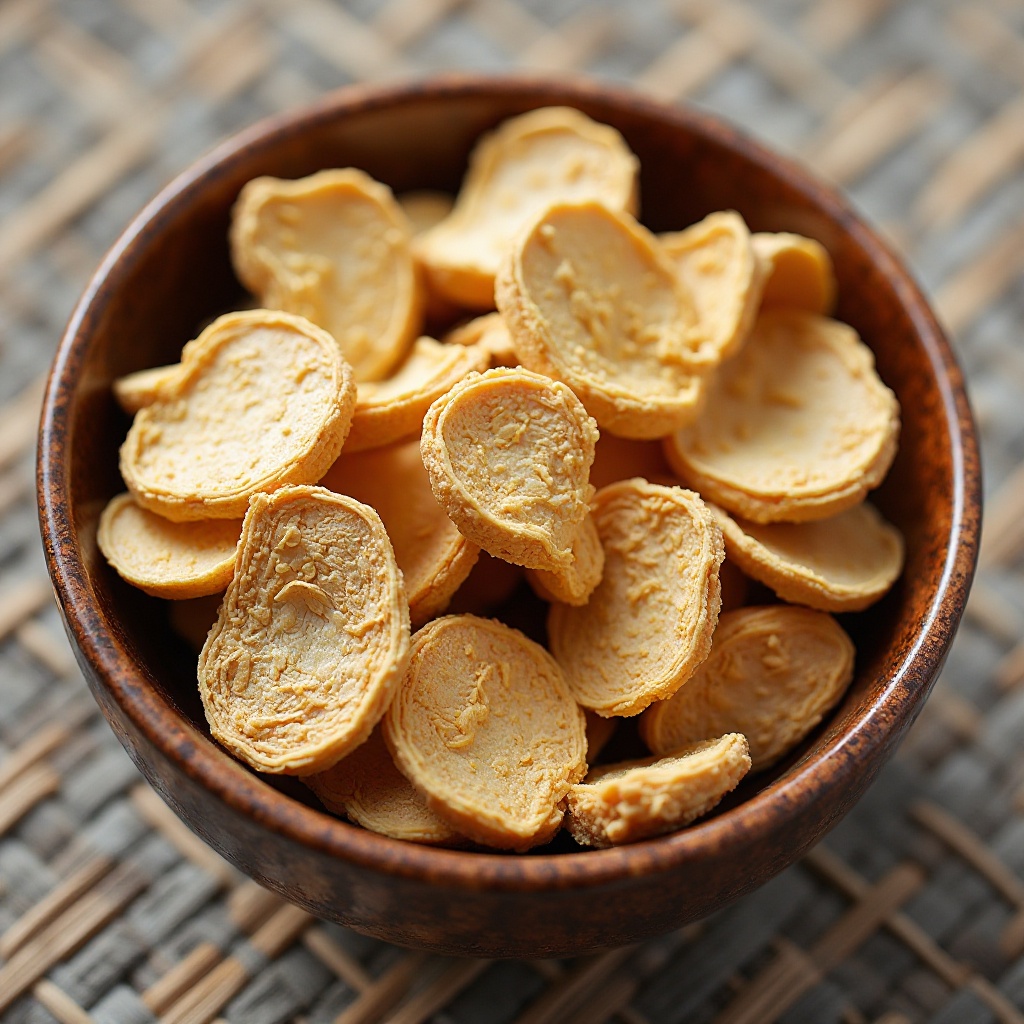
"The Yellow Leader" — Known as *Huang Qi* in TCM. It is the great protector of "Wei Qi" (Defensive Energy). It strengthens the lungs against viral invasion and builds endurance.
Referenced in the *Shen Nong Ben Cao Jing* (Divine Farmer's Materia Medica) as a superior herb for prolonging life. It is said to "hold the lungs" and prevent sweating from weakness.
Astragalus is a deep immune builder. It increases the production of white blood cells and interferon (antiviral). It is specific for **shortness of breath**, spontaneous sweating, and frequent colds. It strengthens the "energy" of the lungs to hold breath longer.
TCM Rule: Do NOT use Astragalus during an acute infection (fever/flu) if you haven't been taking it beforehand. It "locks" the invader inside. Use it to *prevent*, not to treat acute fever.
Sources: *Ben Cao Gang Mu* • *Journal of Ethnopharmacology*.
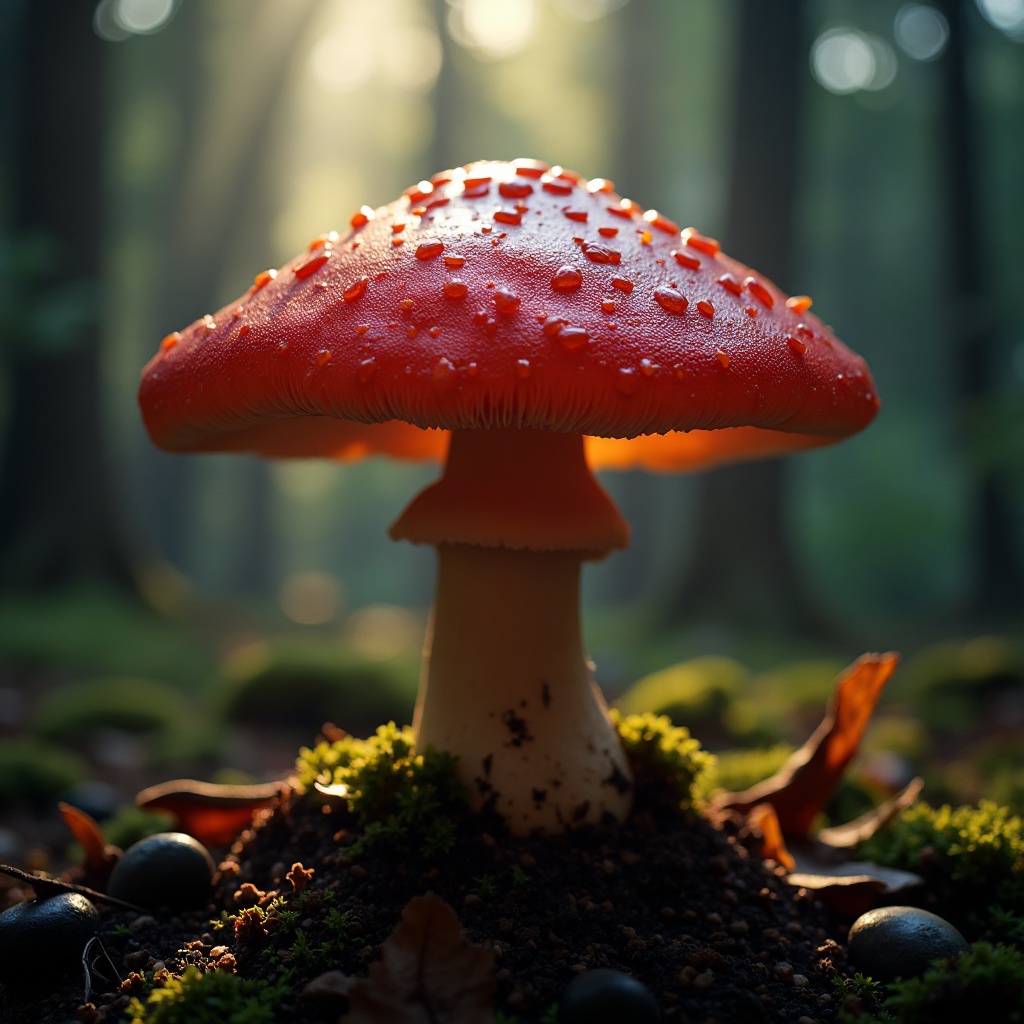
"The Mushroom of Immortality" — *Ling Zhi*. A spiritual powerhouse that bridges the gap between the lungs (breath) and the kidneys (root energy). It calms the spirit and nourishes the lungs.
Reserved for Emperors in ancient China. Taoist monks used it to calm the mind for meditation and levitation practices. It is the premier herb for "Shen" (Spirit) disturbance.
Reishi is anti-allergenic and anti-inflammatory. It inhibits histamine release and relaxes bronchial smooth muscle. Excellent for **asthma** where there is an emotional/stress trigger. It oxygenates the blood, improving high-altitude performance.
Very safe. Can have a mild blood-thinning effect. If you have a mushroom allergy, avoid. Dry mouth/throat is a rare side effect.
Sources: *Shen Nong Ben Cao Jing* • *Advances in Pharmacology*.
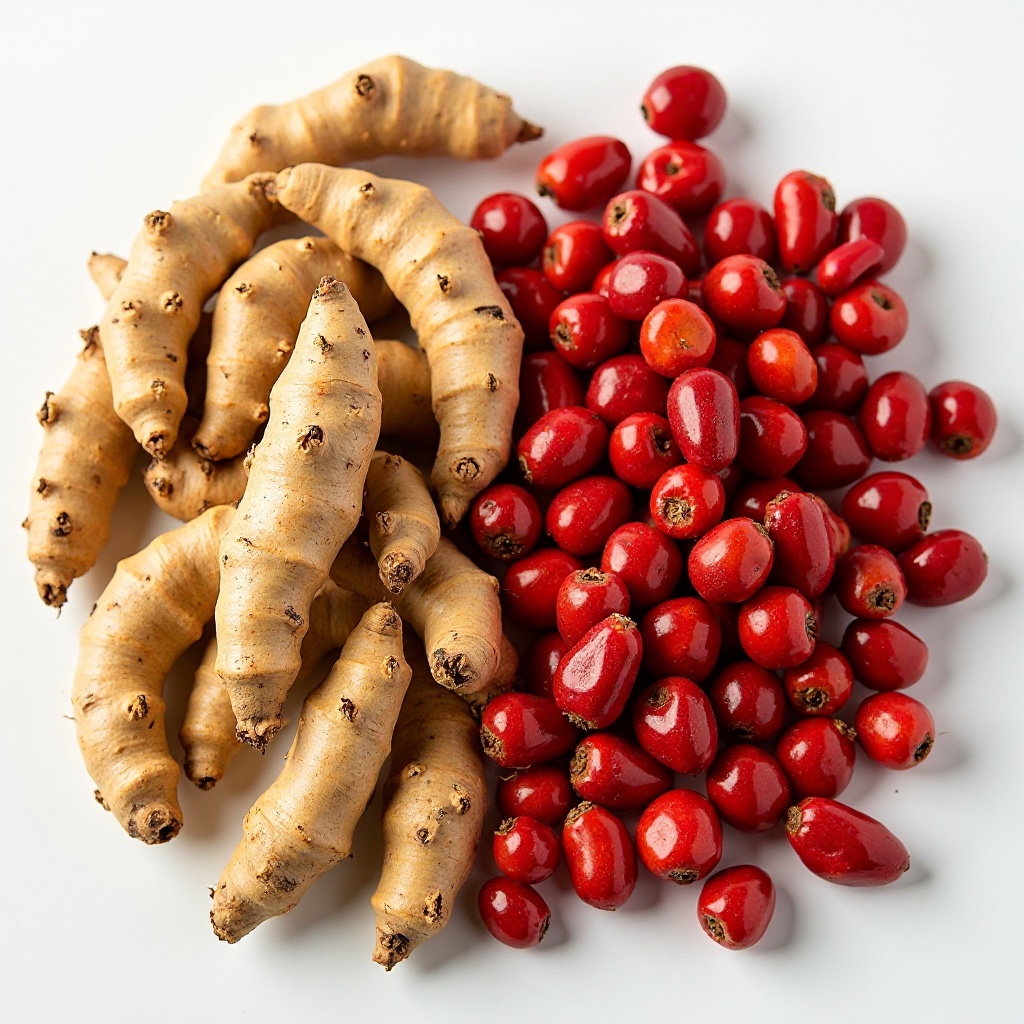
"Smell of the Horse" — Implies it gives the strength and stamina of a stallion. The premier Ayurvedic adaptogen for rebuilding a body shattered by stress and exhaustion.
Used in India for 4,000 years as a *Rasayana* (Rejuvenator). It is said to give the user enough energy to "hold the breath of a horse" (endurance).
While known for stress, Ashwagandha is an immunomodulator that improves respiratory endurance. By lowering cortisol, it allows the immune system to reset. High cortisol shuts down immune function; Ashwagandha reverses this. Great for recovery *after* a long lung illness.
Nightshade family (avoid if sensitive). Can increase thyroid function (good for hypothyroid, caution for hyperthyroid). Not for pregnancy.
Sources: *Charaka Samhita* • *Journal of Alternative and Complementary Medicine*.
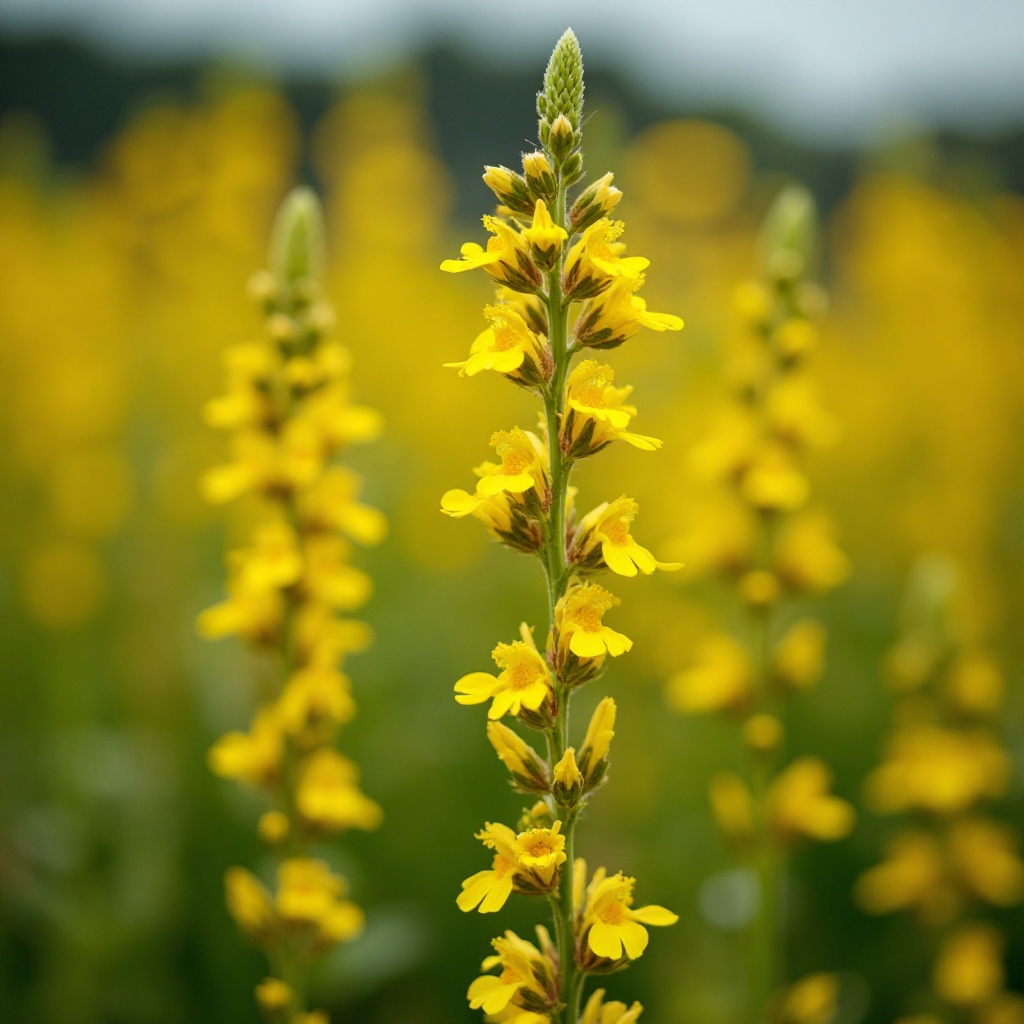
"The Golden Ear Drops" — The bright yellow flowers of the Mullein plant are distinct from the leaves. They are primarily used for earaches (often linked to sinus/respiratory infection) and as a nerve sedative.
Medieval herbalists steeped the flowers in olive oil and left them in the sun for 2 weeks. This "oil of mullein" was the standard treatment for ear infections in children for centuries.
While the leaves treat the lungs, the flowers treat the **nerve pain** associated with coughing suitable for viral infections that travel to the ears (otitis media). They are antiviral and analgesic (pain-killing).
Ear Safety: NEVER put oil in an ear if you suspect the eardrum has burst (pain followed by drainage). Otherwise, very safe.
Sources: *Traditional European Herbalism* • *Archives of Pediatrics and Adolescent Medicine*.
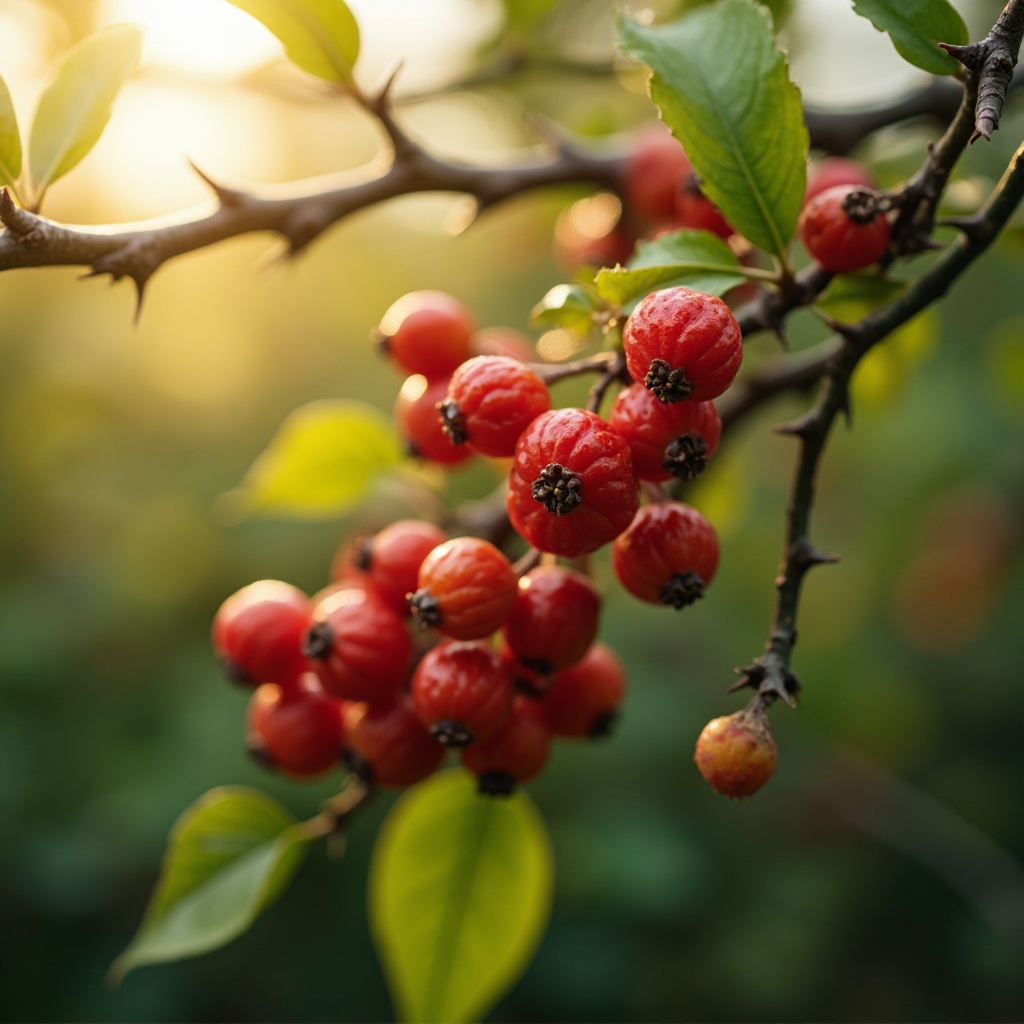
"The Heart's Nurse" — A gentle, nutritive tonic that feeds the heart muscle itself. It strengthens the physical pump while calming the emotional heart.
In Celtic folklore, the Hawthorn was the tree of the fairies, protected and revered. Dioscorides used it in the 1st century for heart troubles. It is considered the "bread and cheese" of the heart—a food, not just a medicine.
Hawthorn is a trophorestorative for the cardiovascular system. It dilates coronary arteries, allowing more oxygen-rich blood to reach the heart muscle. By improving the efficiency of the pump, it reduces the backup of fluid in the lungs (pulmonary edema) often associated with weak heart function.
Extremely safe. However, because it strengthens the heart, those on heart medication (digoxin, beta-blockers) should consult a doctor as it may potentiate the drugs.
Sources: *Cochrane Review* (Heart Failure) • *Planta Medica*.
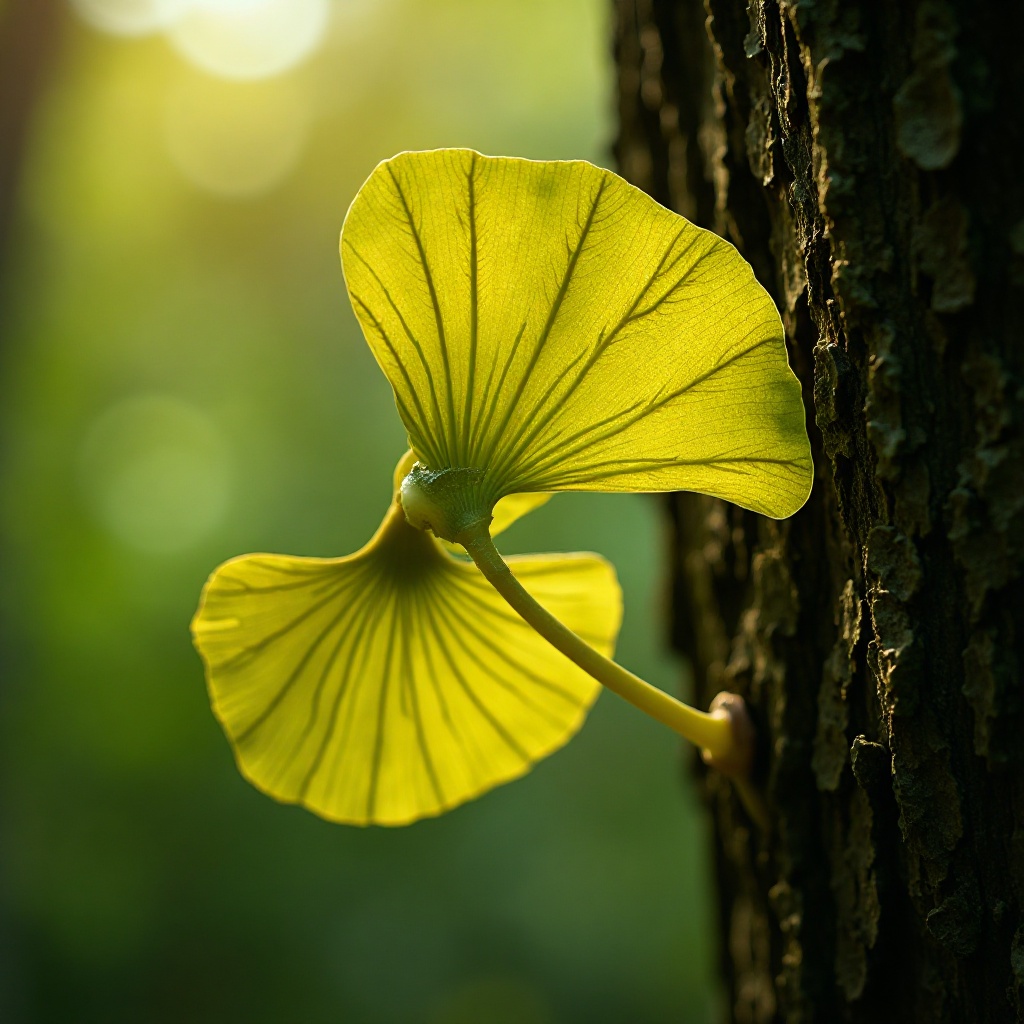
"The Living Fossil" — The oldest surviving tree species on earth. It survived the atomic blast in Hiroshima. It brings life-giving blood to the brain and extremities.
Cultivated in Chinese temple gardens for millennia. It symbolizes longevity and resilience. In TCM, it was used for asthma and "wheezing" long before it became famous for memory.
Ginkgo is a master of micro-circulation. It dilates the tiny capillaries in the brain, eyes, and lungs. It inhibits Platelet Activating Factor (PAF), preventing blood from becoming too sticky (clots). This improves oxygen delivery to every cell.
Blood thinner—stop before surgery. Caution if taking warfarin/aspirin. Roasted seeds are food (in moderation), but raw seeds are toxic.
Sources: *Journal of the American Medical Association* • *Shen Nong Ben Cao Jing*.
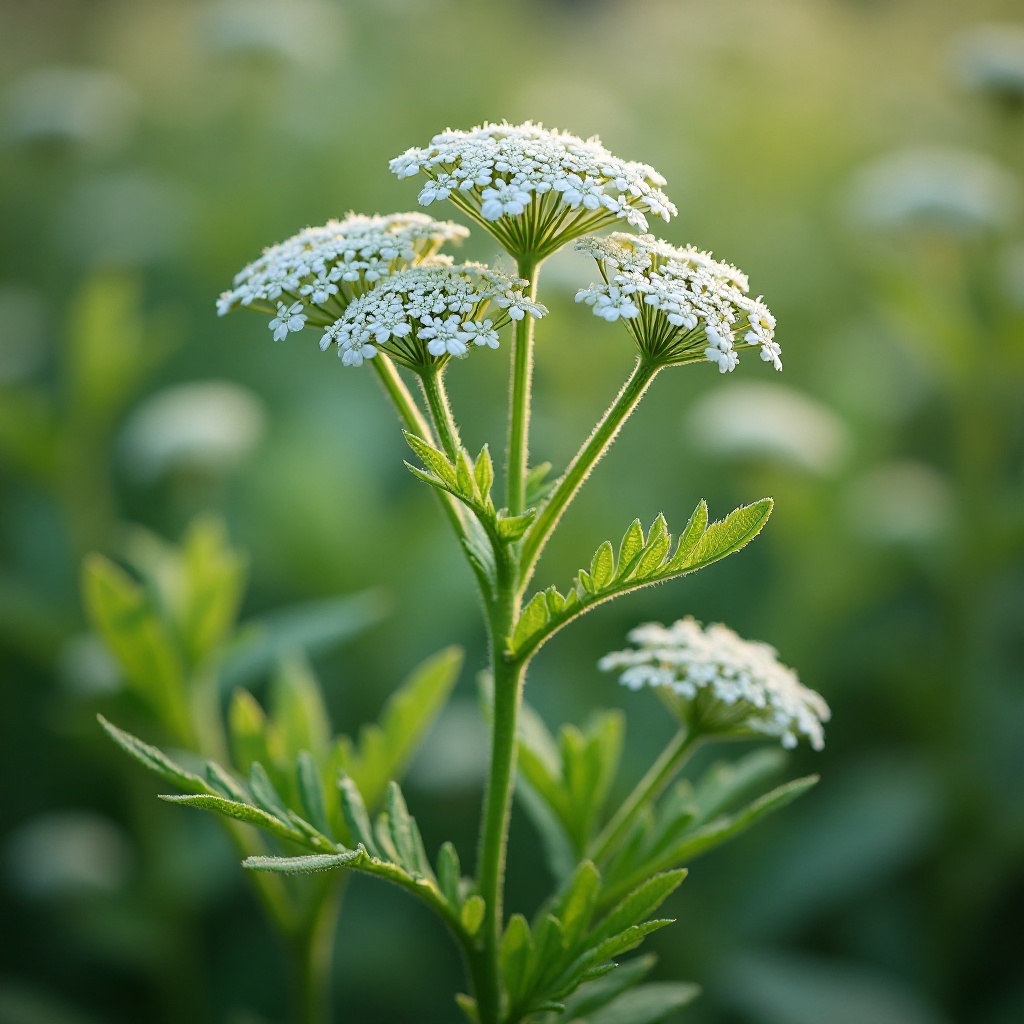
"The Warrior's Herb" — Named after Achilles, who used it to stanch the bleeding wounds of his soldiers. It is the master regulator of blood flow: stopping it where it leaks, moving it where it's stuck.
Found in Neanderthal burial sites (Shanidar Cave) spanning 60,000 years. Known as "Nosebleed" or "Soldier's Woundwort." Ancient Greeks used it for all manner of battle injuries.
Yarrow is "amphoteric"—it normalizes blood. It is a premier diaphoretic (induces sweating) to break fevers rapidly. By opening the peripheral capillaries (skin), it vents heat and relieves congestion in the internal organs (lungs).
Avoid in pregnancy (uterine stimulant). Asteraceae family allergy (ragweed) is possible.
Sources: *Dioscorides Materia Medica* • *Journal of Ethnopharmacology*.
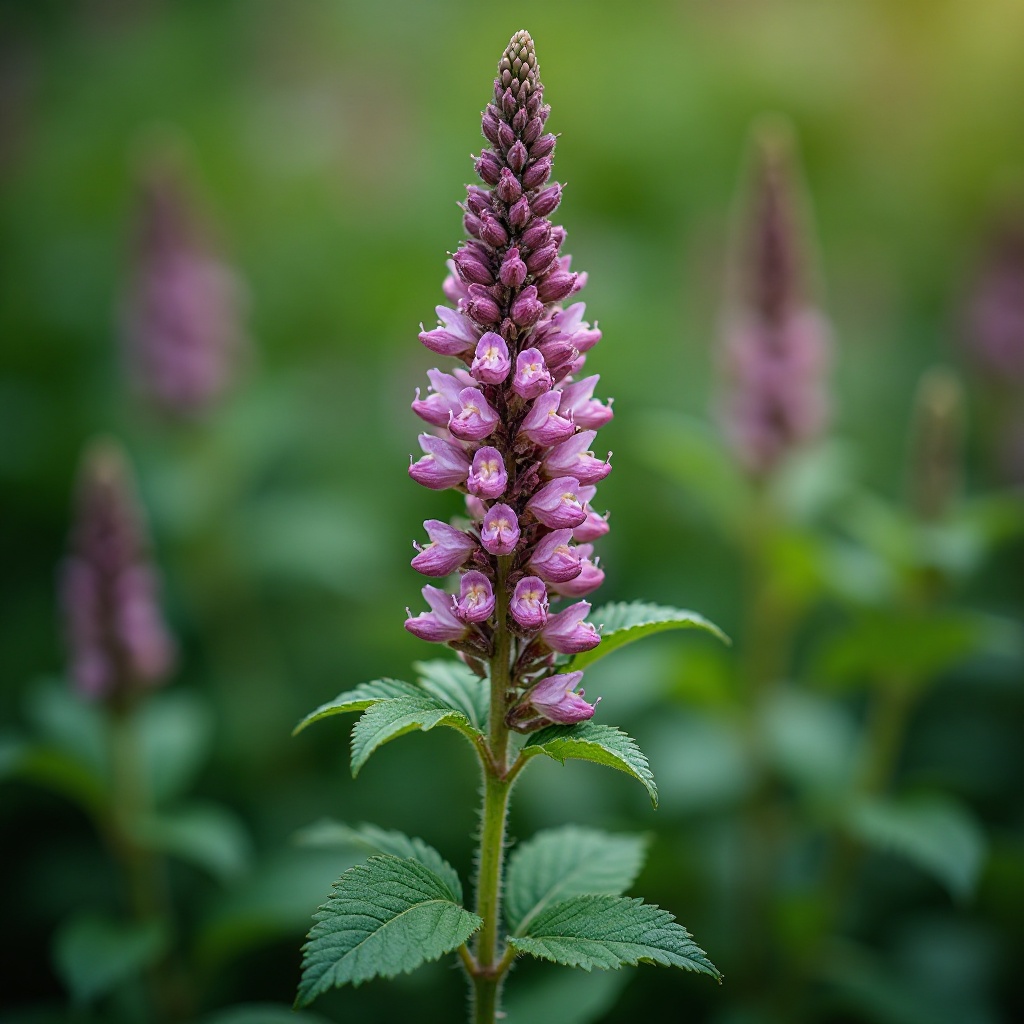
"The Lion's Heart" — A calming mint for the "nervous heart." When anxiety caused by life's pressures makes the chest tight and the heart flutter, Motherwort is the hug you need.
An innocent looking plant with a fierce reputation. The Greeks used it for pregnant women suffering from anxiety (hence "Mother-wort"). It gives the "heart of a lion" (courage) to the fearful.
Specific for heart palpitations caused by anxiety or thyroid issues. It is an antispasmodic for the chest wall. While not a strong lung herb, its ability to calm the panic-breath feedback loop is unmatched.
Avoid in pregnancy (emmenagogue - brings on menstruation). Can be sedating.
Sources: *German Commission E* • *Phytotherapy Research*.
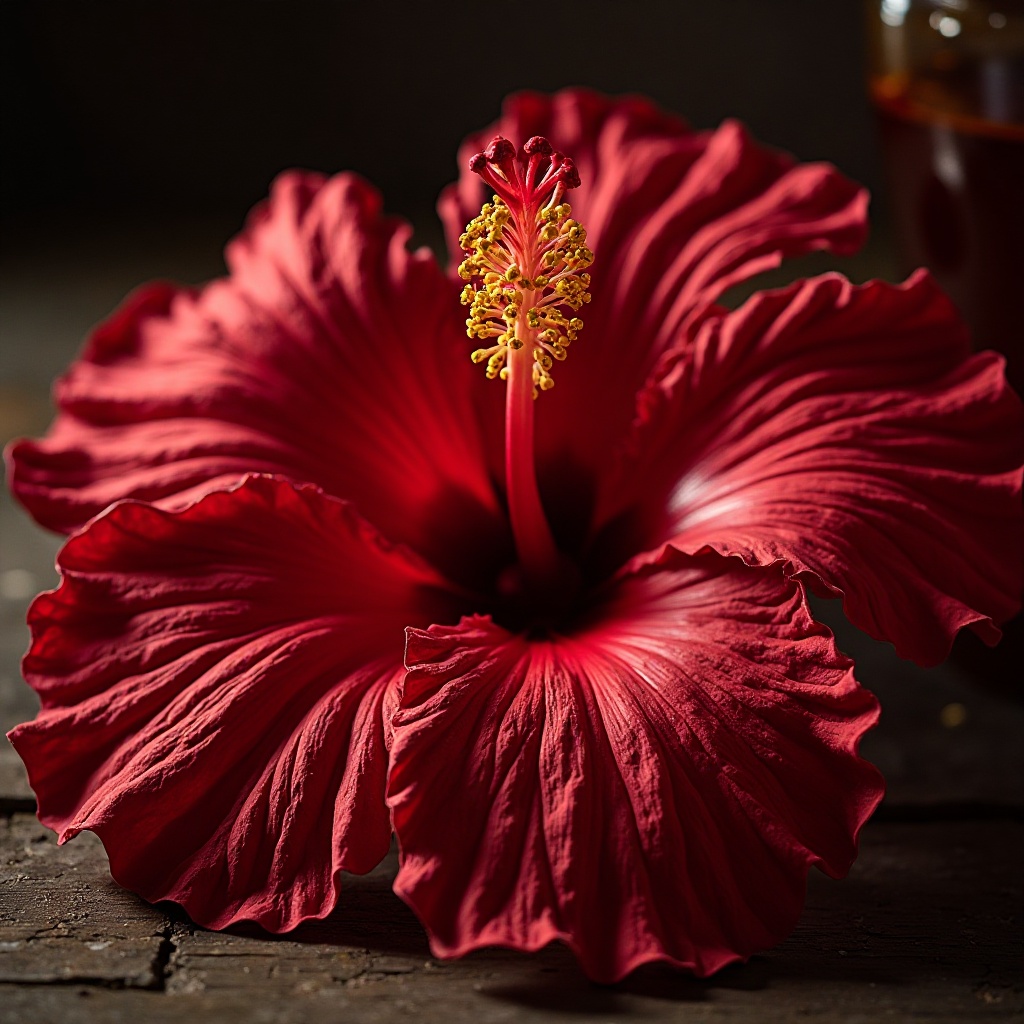
"The Pharaoh's Drink" — A tart, ruby-red tea known in Egypt as Karkade. It cools the blood and has clinical backing for maintaining healthy blood pressure.
Traditionally drunk in hot climates (Egypt, Caribbean, Mexico) to cool the body temperature. It is sour, which in TCM holds fluids and "generates yin."
Hibiscus acts like a natural ACE inhibitor (similar to BP meds but milder). By relaxing blood vessels, it lowers systemic pressure. It is also rich in Vitamin C, strengthening the immune response in the lungs.
Safe and delicious. Large doses may impact fertility (conflicting studies). Lowers blood pressure—monitor if on meds.
Sources: *Journal of Human Hypertension* • *Food Chemistry*.
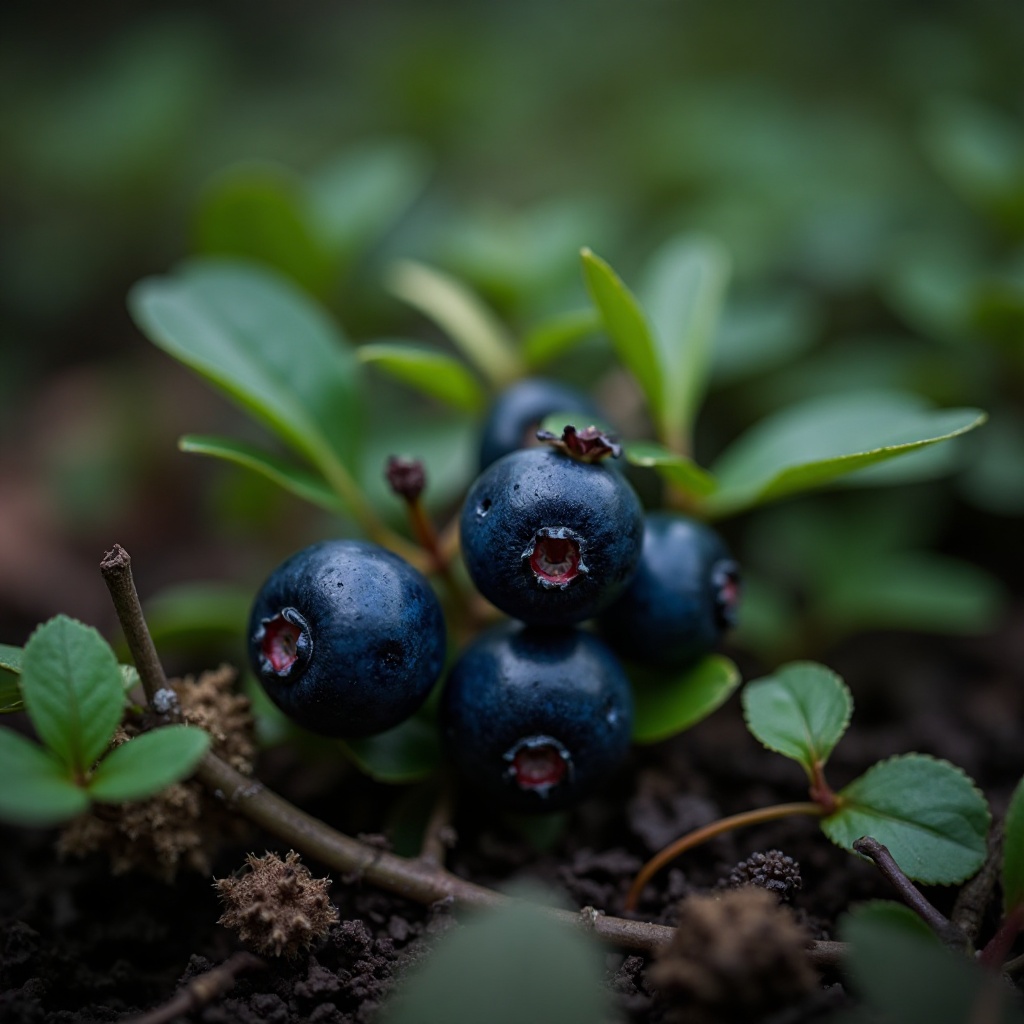
"The Night Watchman" — The European cousin of the blueberry. WWII pilots ate bilberry jam to improve night vision. It strengthens the tiniest blood vessels in the body.
Hildegard von Bingen recommended it for inducing menstruation. It has deep purple flesh (unlike blueberries), signifying its intense anthocyanin content.
Antioxidant powerhouse. It strengthens the collagen in vein walls, preventing leakage. This makes it excellent for varicose veins, hemorrhoids, and "spider veins" in the lungs or eyes.
Very safe food. Leaves can lower blood sugar (caution in diabetics).
Sources: *Journal of Nutrition* • *Ophthalmology Research*.
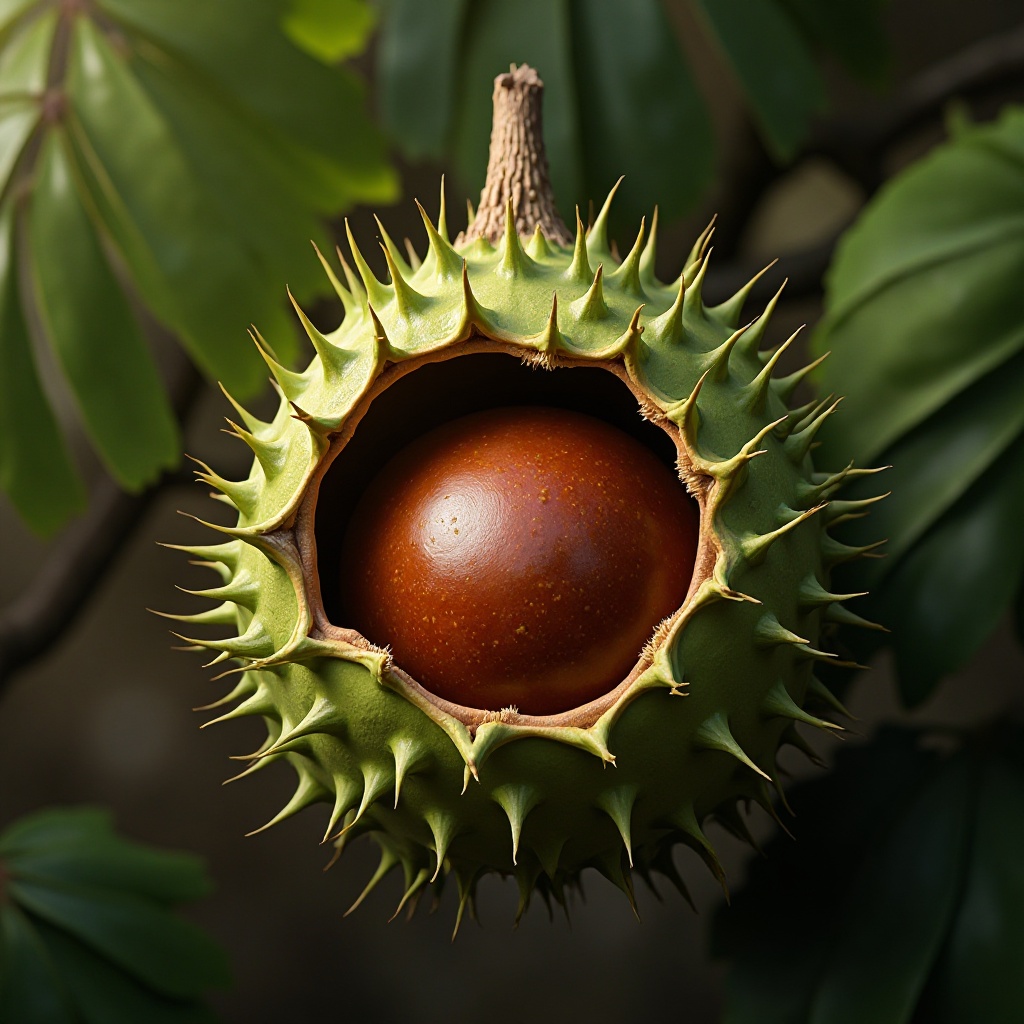
"The Vein Tightener" — The premier remedy for "venous insufficiency." When blood pools in the legs/lungs and can't get back to the heart, Horse Chestnut tightens the vessels.
Carried in pockets as a folk amulet against rheumatism. Traditionally used for horses with broken wind (respiratory/circulatory issues).
Aescin seals the capillaries, preventing fluid leakage (edema). This is crucial for keeping lungs clear of fluid and preventing heavy, swollen legs. It restores "tone" to flabby veins.
TOXIC RAW: unprocessed nuts are poisonous. Only use commercial products standardized for Aescin. Do not use for more than 2 weeks.
Sources: *Lancet* • *Cochrane Database* (Venous Insufficiency).
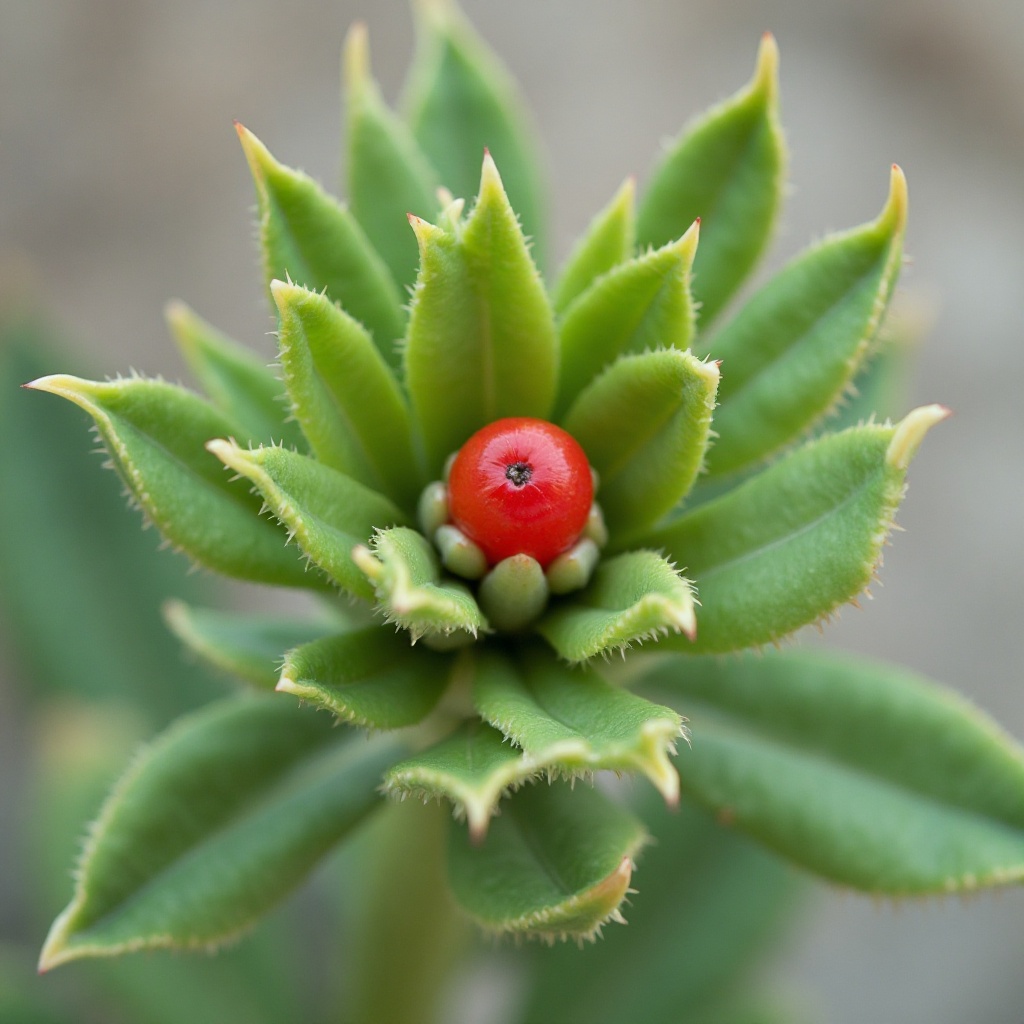
"The Sweeper" — Named because butchers used its stiff branches to sweep their blocks. It "sweeps" stagnant blood out of the extremities.
Dioscorides mentioned it as a laxative and diuretic. It has a funny habit of bearing flowers/berries directly in the center of its "leaves" (which are actually flattened stems).
Contains ruscogenins which cause constriction of the veins. Similar to Horse Chestnut but stronger. Excellent for low blood pressure where blood pools upon standing (orthostatic hypotension).
Can cause nausea. May raise blood pressure (vasoconstrictor)—caution with hypertension.
Sources: *Arzneimittelforschung* • German Commission E.
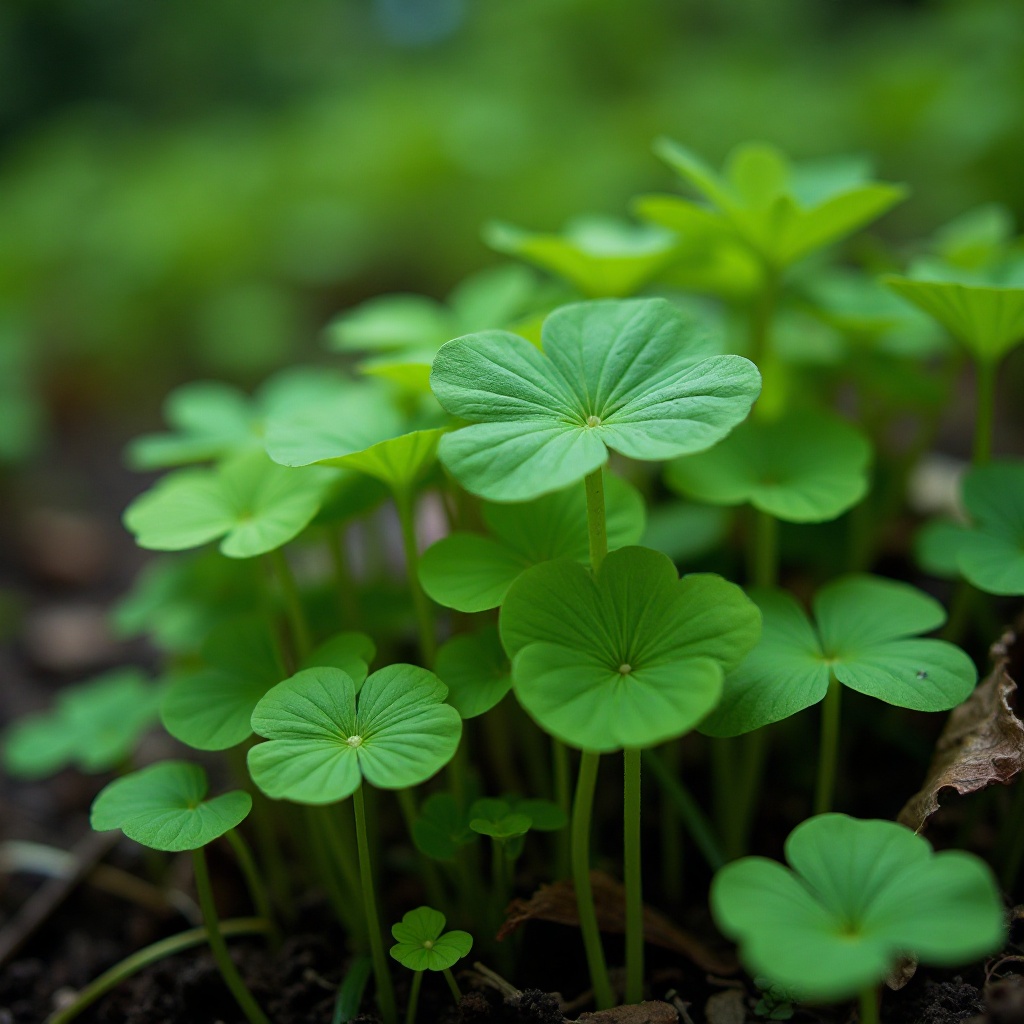
"The Fountain of Youth" — Sri Lankan proverb: "Two leaves a day keep old age away." It rejuvenates the brain, skin, and connective tissue.
Yogis used it to improve meditation. Elephants (known for memory/longevity) eat it. It is distinct from Kola Nut (contains no caffeine).
It strengthens the connective tissue sheath surrounding the veins. It is a nervine tonic, calming anxiety while improving mental clarity. Great for healing the lung tissue structure after damage (fibrosis).
Generally safe. Very high doses can be sedating. Rare liver issues reported (likely contamination) - buy high quality.
Sources: *Evidence-Based Complementary and Alternative Medicine* • *Ayurveda*.
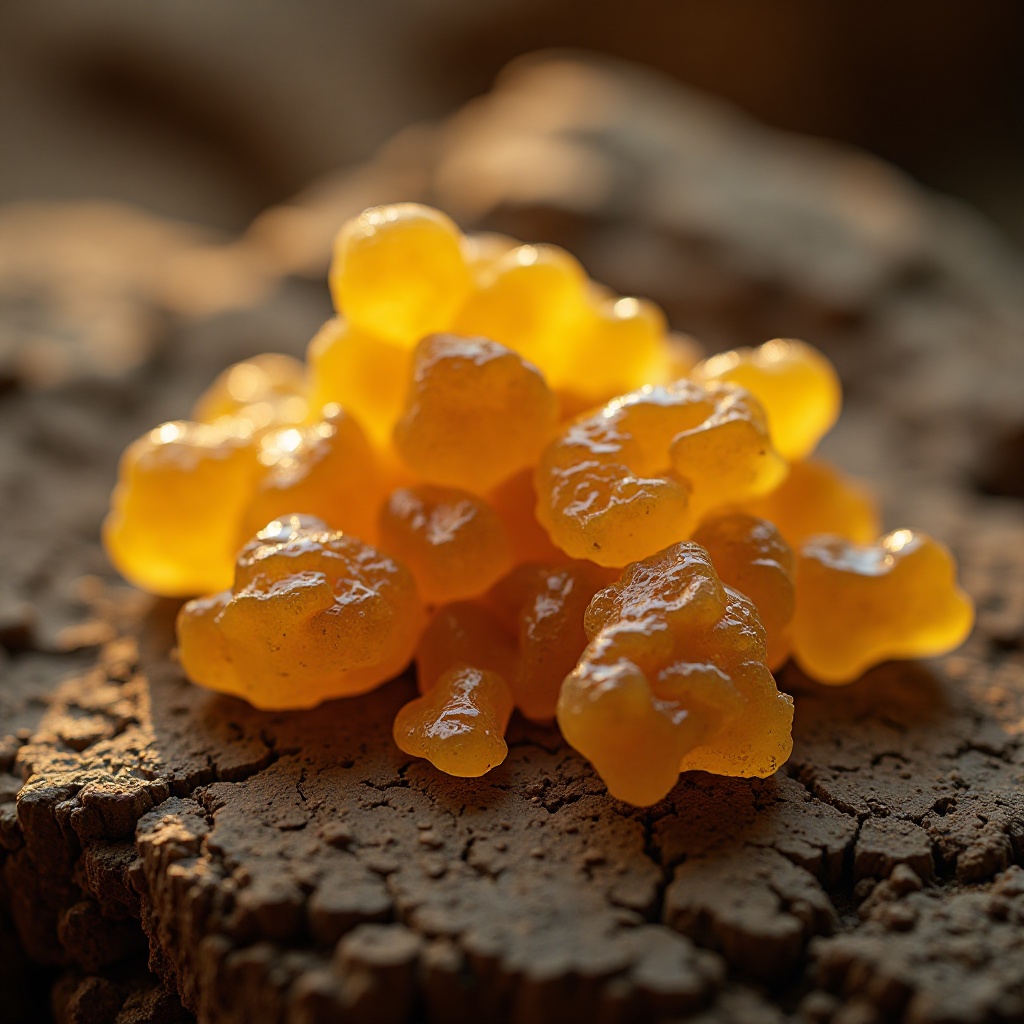
"The Bitter Truth" — The partner to Frankincense. While Frankincense moves the spirit, Myrrh moves the blood. A powerful antiseptic for the mouth and gums.
Cited 152 times in the Bible! "A bundle of myrrh is my well-beloved unto me" (Song of Solomon 1:13). Used to purify the dead, but also to heal the living. It was the main battlefield antiseptic before antibiotics.
Myrrh increases white blood cell production. It is a "blood mover" in TCM, clearing stagnation, clots, and pain. Essential for oral health (gum disease is linked to heart disease/circulation). It clears "damp cold" from the lungs.
DO NOT USE IN PREGNANCY (uterotonic). High doses can be hard on the kidneys.
Sources: Song of Solomon • *Journal of Ethnopharmacology* • *TCM Materia Medica*.